In modern electronics, size doesn’t always determine significance. Button batteries, also known as coin cell batteries, are a perfect example—small, flat, and seemingly modest, yet they play a crucial role in powering countless precision devices such as watches, medical sensors, remote controls, and wearable technology.
As product design continues to shrink while functionality grows, engineers and manufacturers increasingly rely on trusted electronic components distributors to source high-quality button batteries tailored to exacting specifications. But before selecting the right battery or supplier, it’s essential to understand what a button battery actually is—and why its role is so critical in both performance and safety.
What Is a Button Battery?
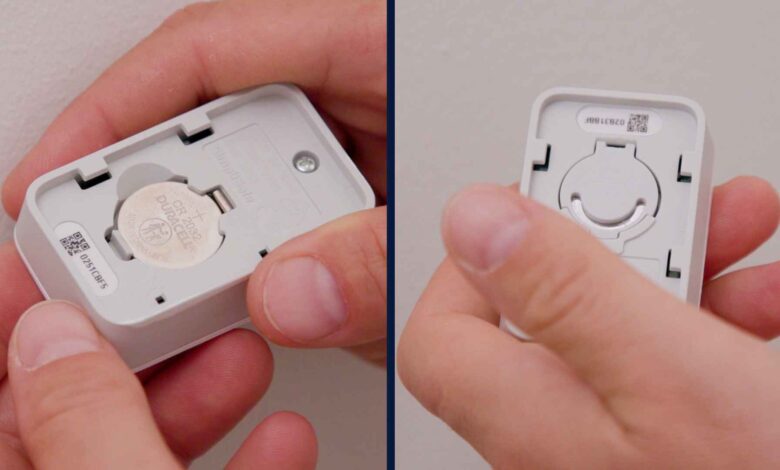
A button battery is a compact, round, single-cell battery that delivers low-voltage, long-lasting power. With typical diameters ranging from 5 to 25 millimeters and thickness between 1 to 6 millimeters, these cells are ideal for small devices that require steady voltage over an extended period.
Common applications include:
- Hearing aids
- Calculators
- Digital thermometers
- Car key fobs
- IoT devices
- RFID tags
- Wearable sensors
Button batteries are designed for low-drain, long-duration applications. Most are non-rechargeable, though rechargeable variants like lithium-ion coin cells exist for specific use cases.
Types and Chemistry of Button Batteries
Button batteries vary by chemical composition, each offering different electrical properties and advantages:
| Type | Nominal Voltage | Use Case | Key Characteristics |
| Alkaline (LR) | 1.5V | Toys, remotes | Affordable, shorter lifespan |
| Silver Oxide (SR) | 1.55V | Watches, cameras, instruments | High energy density, flat voltage |
| Lithium (CR) | 3V | Medical devices, wearables | Long shelf life, wide temp range |
| Zinc-Air (PR) | 1.4V | Hearing aids | Air-activated, high capacity |
Each chemistry affects discharge rate, shelf life, temperature tolerance, and price. Electronic components distributors typically stock a wide variety of these cells, categorized by IEC codes (e.g., CR2032, LR44, SR626SW), which correspond to battery dimensions and chemistry.
How Button Batteries Work
Despite their size, button batteries operate on the same electrochemical principles as larger batteries. Each cell contains:
Anode (negative terminal) – often made of zinc or lithium
Cathode (positive terminal) – materials like manganese dioxide or silver oxide
Electrolyte – facilitates ion movement between terminals
When a circuit is closed (e.g., when inserted into a device), electrons flow from anode to cathode, producing direct current (DC). The battery discharges gradually as chemical reactions deplete the anode material.
Lithium coin cells, like the popular CR2032, are favored in modern electronics for their high energy density, long life (up to 10 years), and stable voltage output.
Common Button Battery Models and Naming Conventions
Button batteries are available in a wide range of standardized models, typically designated by an alphanumeric code that indicates the chemistry, size, and shape of the battery. Understanding these model numbers is essential for accurate specification and sourcing.
Here are some of the most commonly used button battery models across industries:
Lithium Coin Cells (3V) – Code starts with “CR”
CR2032 – 20 mm diameter, 3.2 mm thick (widely used in key fobs, medical sensors)
CR2025 – 20 mm x 2.5 mm (thin version for remotes and trackers)
CR2450 – 24.5 mm x 5.0 mm (used in industrial and IoT applications)
CR1220 / CR1632 – Smaller form factors for compact wearables and RFID tags
Alkaline Button Cells (1.5V) – Code starts with “LR”
LR44 – Very common in toys, laser pointers, and medical thermometers
LR1130 / LR41 – Small cells used in calculators, small electronics
LR626 – Ideal for miniature watches or keychains
Silver Oxide Cells (1.55V) – Code starts with “SR”
SR626SW (377) – Precision watches, compact measurement devices
SR920SW (371) – High-drain watches, small instruments
SR44 (303/357) – Lab instruments, sensors
Zinc-Air Cells (1.4V) – Code starts with “PR”
PR41 (312) – Hearing aids (brown tab)
PR44 (675) – Larger hearing aids (blue tab)
PR48 (13) – Standard mid-size hearing aids (orange tab)
Pro Tip: The numeric part of each model often represents the size in tenths of a millimeter. For example, CR2032 = 20 mm diameter and 3.2 mm height.
When ordering from an electronic components distributor, always confirm:
- Voltage requirement
- Battery chemistry
- Exact physical dimensions
- Expiration date and shelf life
Sourcing Button Batteries: Why Distributors Matter
Choosing the right battery isn’t just about voltage and size—it’s about reliability, authenticity, and supply chain integrity. That’s where partnering with a qualified electronic components distributor becomes essential.
Reputable distributors provide:
Verified, genuine components (avoiding counterfeits)
Batch traceability and documentation
Stock availability across multiple brands and chemistries
Compliance with RoHS, REACH, and local regulatory standards
Especially in medical or mission-critical applications, a counterfeit or substandard button battery can result in device failure—or worse, end-user harm. That’s why engineers and buyers rely on certified distributors for their battery sourcing needs.
Safety Concerns: Small Batteries, Serious Risks
While button batteries are essential to device function, they present serious safety risks—especially to children. If swallowed, a lithium coin cell can react with bodily fluids and cause severe internal burns within hours.
Key safety recommendations:
Use child-resistant packaging and secure battery compartments
Educate consumers about safe storage and handling
Source batteries with tamper-evident packaging
Follow regional safety labeling guidelines (e.g., IEC 60086-5)
Manufacturers often work with distributors to ensure compliant, safe versions of batteries are used in consumer-facing products.
Environmental Impact and Proper Disposal
Button batteries may contain toxic heavy metals (e.g., mercury in older models) and should never be discarded in regular trash. Improper disposal can lead to groundwater contamination and environmental damage.
Instead:
Use certified battery recycling programs
Replace mercury-containing cells with eco-friendly alternatives
Partner with distributors that offer green sourcing options
Many countries now mandate specific e-waste disposal practices. Always check local regulations and encourage consumers to recycle responsibly.
Conclusion
So, what is a button battery? It’s a deceptively simple component—small in size, but vital in function. From powering life-saving medical sensors to enabling ultra-slim smart devices, the button battery represents the intersection of energy miniaturization and high reliability.
Whether you’re an OEM, a product designer, or a tech startup sourcing components, understanding button battery chemistry, application fit, and sourcing best practices is essential. And with the help of a knowledgeable electronic components distributor, you gain access to not just batteries—but to long-term reliability, compliance, and peace of mind.