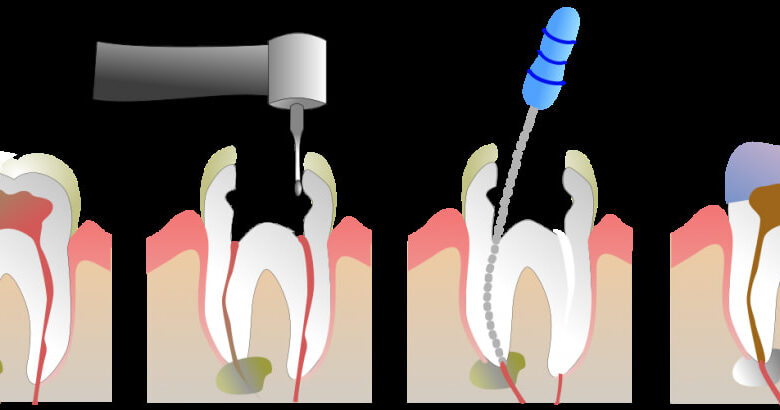
Root canal therapy is a common dental procedure designed to save a damaged or infected tooth. While the procedure is highly effective at preserving your natural tooth and restoring proper dental function, complications can arise if the treated area becomes infected.
Recognising the warning signs of infection is crucial to ensure a speedy recovery and prevent further complications. This post will guide you through the signs to watch for, the dangers of ignoring them, and how to ensure optimal post-procedure care.
Understanding the Root Canal Procedure
A root canal involves removing the infected or damaged pulp within a tooth, cleaning and sealing the root canals to prevent future infection. It’s often the best option to relieve pain and save a tooth that might otherwise need extraction.
When performed correctly, a root canal provides effective relief and allows you to keep your natural tooth. However, proper post-procedure care is essential to facilitate healing and minimise complications. Regular follow-ups with your dentist are just as important as diligent self-care to guarantee the success of the treatment.
Common Warning Signs of Infection
While some tenderness and mild discomfort are expected after any dental procedure, persistent or unusual symptoms may point to an underlying infection. Here are the primary warning signs to watch for:
1. Persistent Pain
Mild sensitivity is common after a root canal, but ongoing or worsening pain—especially when biting down—may signal an unresolved infection.
2. Swelling
Noticeable swelling in the gums, face, or jaw near the treated area could indicate trapped bacteria or an abscess. Swelling can range from mild puffiness to more significant inflammation.
3. Unusual Discharge
If you notice any thick, foul-smelling fluid or pus around the root canal site, this is usually a sign of an active infection requiring immediate attention.
4. Fever
Running a fever, especially alongside other symptoms, can indicate that your body is fighting a dental infection. Fever combined with fatigue or general malaise should not be ignored.
5. Prolonged Sensitivity
Lingering sensitivity to hot, cold, or even sweet foods well after the procedure might point to an issue. This is particularly concerning when combined with other symptoms like swelling or discomfort.
6. Redness or Tenderness
Discolouration or redness around the gums, accompanied by tenderness beyond normal post-procedure recovery, could signify bacteria or inflammation.
If you experience one or more of these symptoms, consult your dentist without delay.
The Dangers of Ignoring Infection Signs
Failing to address an infection promptly can have serious consequences. Left untreated, infections can progress to more severe health issues, such as:
- Tooth and Jawbone Loss
The infection could destroy the underlying bone structure, putting the tooth and surrounding teeth at risk.
- Abscess Formation
An unresolved infection could lead to a pus-filled abscess, causing excruciating pain and further complications.
- Systemic Spread of Infection
Untreated dental infections can spread beyond the mouth to other parts of the body, including the bloodstream, resulting in serious conditions like sepsis.
Statistically, dental abscesses are a leading cause of hospital visits for preventable oral health complications. Do not underestimate the importance of acting quickly.
What to Do If You Suspect an Infection
If you notice any of the warning signs listed above, follow these immediate steps:
- Contact Your Dentist
Call your dentist as soon as possible to discuss your symptoms. They may recommend an in-person visit to assess the issue and take necessary action, such as prescribing antibiotics or further treatment.
- Manage Discomfort Safely
Until you can see your dentist, manage pain with over-the-counter medications like ibuprofen or paracetamol. Avoid aspirin, as it may increase bleeding.
- Maintain Oral Hygiene
Continue practising good oral hygiene by cleaning your teeth gently with a soft-bristled toothbrush and rinsing with salt water to reduce swelling and bacteria.
- Avoid Self-Medication
Resist the temptation to self-diagnose or attempt remedies that could worsen the infection or delay professional treatment.
Prompt action is essential for preventing the infection from escalating and ensuring your recovery is on track.
Preventive Measures and Post-Procedure Care
Prevention is always better than cure. Here are some tips to help you avoid infections after your root canal:
- Follow Your Dentist’s Aftercare Instructions
Adhere closely to any advice provided by your dentist, including dietary restrictions and when to resume normal activities.
- Maintain a Consistent Oral Hygiene Routine
Brush and floss your teeth regularly, and consider using an antiseptic mouthwash to keep bacteria under control.
- Schedule Regular Check-ups
Continue to see your dentist for routine cleanings and examinations, even after your root canal recovery is complete.
- Avoid Stressing the Treated Tooth
Try not to put excessive pressure on the treated tooth until your dentist has placed the final crown or filling.
By staying proactive about your post-procedure care, you’ll reduce the likelihood of infection and improve the long-term success of your treatment.
FAQs
Can a fever after a root canal indicate an infection?
Yes, a fever is one of the signs your body might be responding to an infection. Coupled with other symptoms like pain or swelling, it warrants a call to your dentist.
How can I tell if my root canal site is infected?
Persistent pain, swelling, unusual discharge, and prolonged sensitivity are the key indicators of infection. Contact your dentist if you notice any of these.
Is it normal to have sensitivity to hot and cold after a root canal?
Mild sensitivity is normal immediately following the procedure, but if it persists for more than a week or grows worse, it could hint at an infection or other underlying issue.
Take Charge of Your Dental Health
A root canal can restore your oral health, but post-procedure vigilance is essential to ensure long-term success. If you experience any warning signs of infection, don’t hesitate to consult your dentist.
By practising excellent oral hygiene and keeping regular dental appointments, you can protect your smile and avoid potential complications. For more tips on maintaining good dental health after a root canal, explore our guides or schedule a consultation with a professional today.