When it comes to diving, especially in breathtaking locations like the Maldives, safety is always a top priority. One of the most serious conditions divers can face is decompression sickness, commonly referred to as “the bends.” This condition occurs when a diver ascends too quickly after spending time at deep depths, causing nitrogen bubbles to form in the bloodstream. These bubbles can lead to intense pain, organ damage, and even death if not treated immediately. In this article, we’ll discuss how to treat the bends and the steps divers can take to reduce the risk of developing this dangerous condition, particularly when diving in the Maldives.
What is the Bends and Why Does it Happen?
Before diving into treatment, it’s important to understand why the bends occur. During a dive, your body absorbs nitrogen from the air you breathe under pressure. The deeper the dive, the more nitrogen your body absorbs. As you ascend, the pressure decreases, and nitrogen starts to come out of solution. If you ascend too quickly, the nitrogen forms bubbles in your bloodstream, causing what’s known as decompression sickness (DCS) or “the bends.” These bubbles can travel to different parts of your body, including the joints, muscles, lungs, and brain, causing intense pain and potentially serious injury.
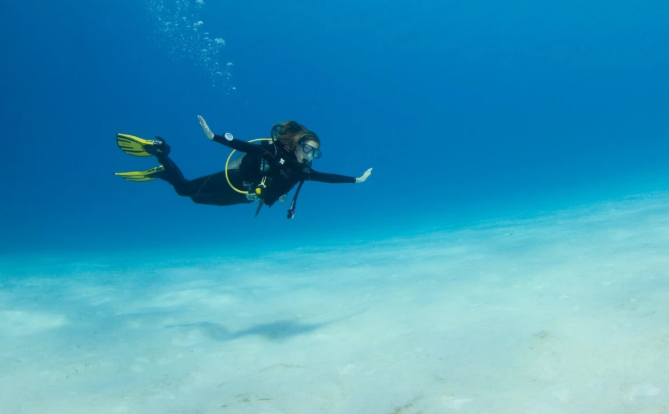
In the Maldives, with its clear waters and rich marine life, it is easy to get swept up in the beauty of the underwater world. However, divers should always remember to follow safe diving practices to avoid complications like the bends. This includes monitoring dive depth and time, as well as planning for a gradual ascent and safety stops to allow the body to safely off-gas nitrogen.
How to Treat the Bends in the Maldives
If you or a fellow diver suspects they have the bends, immediate action is necessary. Here’s a step-by-step guide on how to treat the bends and what to do if you or someone in your group shows symptoms.
1. Recognize the Symptoms
The first step in treatment is recognizing the symptoms of the bends. Symptoms typically begin within minutes to hours after a dive and can vary in severity. Common symptoms include:
- Joint pain or muscle aches
- Dizziness or lightheadedness
- Fatigue
- Chest pain or difficulty breathing
- Nausea or vomiting
- Difficulty moving or weakness in limbs
- Confusion or memory loss
- Seizures (in severe cases)
If any of these symptoms appear after a dive, it’s crucial to seek medical assistance immediately.
2. Get to the Surface Slowly
If you are still underwater and suspect the bends, you need to ascend slowly and carefully to the surface. A rapid ascent can worsen the condition, so follow the basic safety rules of ascending no faster than 10 meters (33 feet) per minute. During your ascent, you should stop at intermediate depths and perform safety stops, typically at around 5 meters (15 feet) for 3 to 5 minutes, depending on the depth and duration of your dive.
3. Administer Oxygen
Once you’ve reached the surface, administer pure oxygen to the affected person immediately. This will help remove nitrogen from the bloodstream and reduce the severity of the symptoms. In many cases, divers may be able to recover from mild cases of decompression sickness by breathing pure oxygen. It’s important that the affected person breathe 100% oxygen for as long as possible, ideally 30 minutes to an hour or longer, if available.
In the Maldives, many diving operations, including Spirit Liveaboards, are equipped with emergency oxygen tanks. These tanks can be used to provide oxygen while help is on the way.
4. Get Medical Attention Immediately
Decompression sickness is a medical emergency. Even if symptoms appear mild at first, it’s crucial to seek professional treatment as soon as possible. The Maldives has several medical facilities and diving-specific treatment centers where you can get immediate help.
One of the most effective treatments for the bends is a hyperbaric chamber, which is used to increase the pressure and allow nitrogen bubbles to dissolve safely from the bloodstream. The chamber will administer pure oxygen in a high-pressure environment to promote the removal of nitrogen. The Maldives has several hyperbaric chambers located in various resorts and diving centers, especially for those staying on Spirit Liveaboards, who can access on-board medical assistance and emergency treatment.
5. Hyperbaric Oxygen Therapy (HBOT)
The mainstay of treatment for the bends is Hyperbaric Oxygen Therapy (HBOT). The patient will enter a pressurized chamber and breathe pure oxygen under high pressure. This will help to eliminate the nitrogen bubbles from the body and reduce the risk of further injury or damage. Most hyperbaric chambers administer several sessions to fully treat decompression sickness.
In the Maldives, you’ll find reputable hyperbaric chambers located at some of the leading dive resorts and medical centers. These are vital facilities in treating diving-related injuries such as the bends.
6. Aftercare and Monitoring
After the initial treatment, divers must be monitored closely. Depending on the severity of the bends, the affected individual may need to stay in a medical facility for observation. It is essential that divers rest and avoid any physical exertion until cleared by a doctor. This is why it’s crucial for divers to always stay hydrated, avoid alcohol, and refrain from flying after a dive to ensure safe recovery.
Preventing the Bends in the Maldives
While treatment is essential in case of the bends, prevention is always better than cure. Here are a few steps divers can take to minimize the risk of decompression sickness:
- Avoid Rapid Ascents: As mentioned, one of the most important rules when diving is to ascend slowly and make safety stops to allow your body to expel nitrogen safely.
- Stay Hydrated: Dehydration increases the risk of decompression sickness. Drink plenty of water before and after your dive.
- Limit Dive Times and Depths: Stick to safe dive tables or use a dive computer to monitor depth and time. In general, avoid staying at depths of more than 30 meters (100 feet) for extended periods.
- Use a Dive Operator: When diving in the Maldives, choose a reputable dive operator like Spirit Liveaboards, which adheres to safe diving practices and provides access to professional guidance and medical assistance if necessary.
- Plan for Safety Stops: Always plan for safety stops during ascent to allow your body to off-gas nitrogen and minimize the risk of decompression sickness.
Conclusion
Decompression sickness, or the bends, is a serious and potentially life-threatening condition that all divers should take seriously. However, with proper knowledge, immediate action, and access to medical care, it is treatable. In the Maldives, divers can ensure their safety by following best practices and by diving with trusted operators like Spirit Liveaboards, who prioritize diver safety and provide prompt access to emergency treatment when necessary.
By understanding the symptoms, taking immediate action, and utilizing the resources available in the Maldives, divers can enjoy the stunning underwater world while minimizing their risk of the bends. Safe diving practices, along with responsible dive planning, are key to ensuring an enjoyable and incident-free diving experience in one of the world’s most beautiful dive destinations.