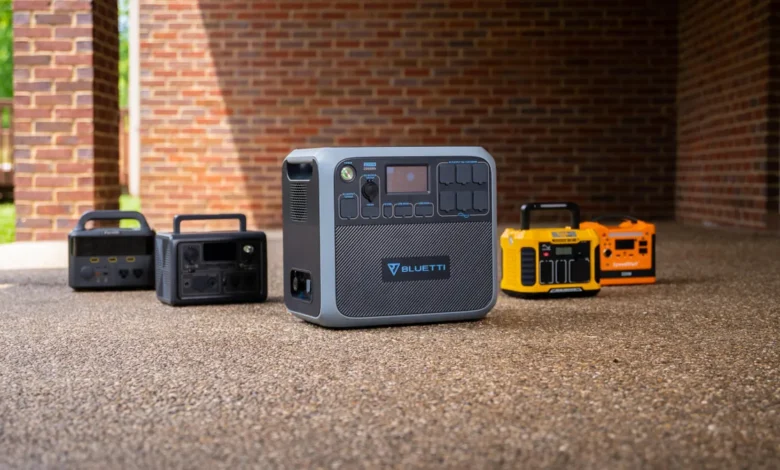
In today’s world, staying connected and prepared for the unexpected has become more important than ever. Whether you’re planning an off-grid adventure, prepping for a potential power outage, or simply looking to add convenience to your everyday life, a power station can be an invaluable investment. But with so many options on the market, how do you know which one is the right fit for your needs? In this guide, we’ll walk you through everything you need to consider when selecting the ideal power station for home, travel, and emergencies.
Understanding what a power station is
Before diving into the specifics, let’s first clarify what a power station is. Often referred to as a portable power generator or portable battery pack, a power station is essentially a large rechargeable battery that can provide power for a variety of devices. From charging smartphones and laptops to running small appliances like mini-fridges and CPAP machines, these units are designed to deliver reliable power wherever you go.
Unlike gas-powered generators, power stations run quietly and don’t emit fumes, making them ideal for indoor use and sensitive environments such as campsites or apartments.
Determine your power needs
The first and most critical step in choosing a power station is identifying your power requirements. Start by making a list of the devices you plan to power. Each device has its wattage rating, which indicates how much power it consumes.
- Small electronics: Smartphones, tablets, and cameras typically require between 5W to 20W.
- Laptops: Depending on the model, these usually need between 30W to 100W.
- Appliances: Items like mini-fridges, electric coolers, or CPAP machines can range from 100W to 300W or more.
Once you’ve tallied up your total wattage needs, look for a power station with a capacity (measured in watt-hours, or Wh) that can handle your devices comfortably. It’s always smart to choose a model with a little extra capacity to account for unexpected usage.
Consider battery capacity and output
Battery capacity isn’t the only number you should look at. Pay close attention to the power station’s output options as well. Most units come equipped with a mix of AC outlets, DC carports, and USB ports. Make sure the power station you’re eyeing offers the right combination of ports for your devices.
In addition, check the continuous power rating and surge power rating. The continuous power rating tells you how much power the unit can deliver steadily, while the surge rating shows how much it can handle temporarily when a device starts up.
Weight and portability matter
If you’re purchasing a power station primarily for travel or outdoor adventures, portability will be a key factor. These devices can range from compact models that weigh under 10 pounds to hefty units that tip the scales at over 50 pounds.
For camping, hiking, or van life, a lightweight, compact power station with a sturdy handle is ideal. On the other hand, if you’re buying a unit solely for home backup during outages, a larger, more powerful model might make more sense—even if it’s too heavy to carry easily.
Recharge options and speed
How you recharge your power station is another important consideration. Most models can be charged via AC wall outlets, car chargers, or solar panels. If you live in an area with frequent power outages or love off-grid adventures, it’s wise to choose a unit that supports solar charging.
Take a close look at the recharge times too. Some models take as little as 2-3 hours to recharge fully, while others may need 8 hours or more. Faster recharge times mean you’ll be ready for the next use much sooner.
Durability and build quality
Not all power stations are built alike. Since these devices are often used in rugged environments—whether in an emergency or on a camping trip—durability matters, look for units with robust casings, solid handles, and weather-resistant features. Some models even come with additional protection against dust and water, which can be especially useful in outdoor settings.
Additional features to look for
Modern power stations often come loaded with handy extras that can add significant value. Here are a few features worth considering:
- LCD display: Displays battery level, power input/output, and error notifications.
- App control: Some advanced models allow you to monitor and control the power station via a smartphone app.
- Pass-through charging: Let’s you use the device while it’s charging.
- Built-in flashlight: Helpful for emergencies and outdoor activities.
Though these features aren’t essential, they can greatly enhance usability and convenience.
Price versus performance
Last but not least, consider your budget. Prices for power stations vary widely depending on capacity, brand, and features. While it’s tempting to go for the cheapest option, remember that you often get what you pay for.
Investing in a reputable brand with a solid warranty and positive customer reviews is usually a safer bet in the long run. Think of it as an investment in your peace of mind, especially in emergencies.
Final thoughts
Choosing the right power station comes down to knowing your unique needs and balancing performance, portability, and price. Whether you’re prepping for an unexpected outage, gearing up for a road trip, or simply seeking a reliable backup power source, the right unit can make all the difference.
Take the time to research, compare models, and prioritize quality and features that matter most to you. Once you find the perfect power station, you’ll be ready to stay powered anytime, anywhere.