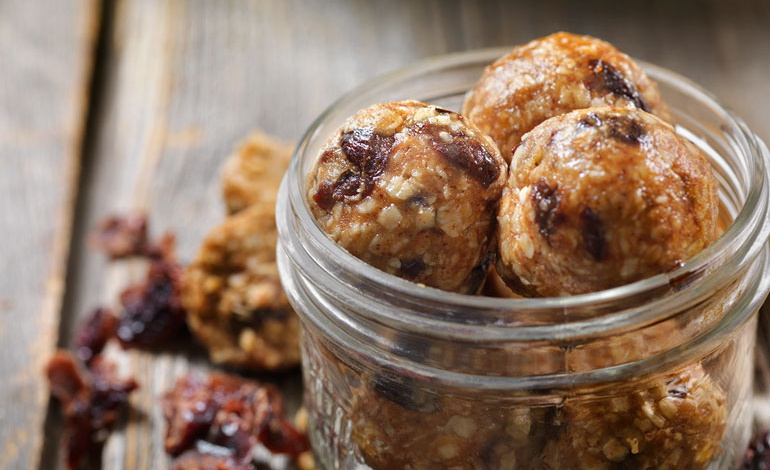
If you are a busy professional who is always on the move, chances are your snack game looks like this – chips from the office vending machine, sugary biscuits with chai, or just…nothing at all (because, meetings!).
But eating healthy doesn’t need to take effort or time from your busy day. You can actually snack smart without cooking, chopping, or stressing! (yes, really!)
Whether you are heading into a team huddle, or powering through your inbox – these snacks have got your back! Let’s dive into some no-fuss, tasty, and actually healthy snack options.
1. Mixed Nuts & Seeds
Prep time : 0 minutes
Just toss a mix of almonds, walnuts, cashews, sunflower seeds, and pumpkin seeds into a jar. Boom! Your personal energy booster is ready to go!
Pro tip : Buy roasted or plain versions in bulk and portion them into small snack boxes for ease. (plain non salted versions)
What you get :
- Healthy fats like omega 3 (great for brain function)
- Protein (to keep you full)
- Vitamin E & magnesium (for energy and immunity)
Perfect for : That 4 PM slump when coffee isn’t enough.
2. Banana + Peanut Butter
Prep time : 1 minute
Peel a banana. Dip it in a spoon of peanut butter. Eat. Feel fancy.
Why it works : It’s got potassium, healthy fats, and natural sweetness – everything your brain and belly love!
Perfect for : A quick refuel between Zoom calls or after your morning yoga classes.
3. Dark Chocolate (the 70%+ kind)
Prep time : Zero. Just open the wrapper and enjoy!
Why it works : Dark chocolate is a legit mood booster and antioxidant bomb. Pair it with a few nuts for a sweet-salty fix that doesn’t spike your sugar levels like milk chocolate does.
Perfect for : Those “I need something sweet but not sinful” moments. Get the treat, minus the guilt! (just make sure you controlling your portion size)
4. Buttermilk or Coconut Water
Okay, not a snack snack, but hydration is super underrated. A glass of chilled buttermilk or coconut water can curb cravings and keep you feeling fresh.
Prep time : None! Just grab and sip.
Pro tip : Add a pinch of black salt or jeera powder to buttermilk. Yummm…
Perfect for : Post yoga hydration or mid-meeting cool down.
5. Apple Slices + Cheese Cubes
Prep time : 2 minutes, tops.
Slice an apple. (or don’t! Just bite right into it!) Pair with a couple of cheese cubes. Sweet and salty, crisp and creamy – this combo is a classic for a reason. (Make sure the cheese is unsalted and not full of spices)
What you get :
- Fiber and vitamin C (from the apple)
- Protein and calcium (from cheese)
- Balanced sugars and fats to keep you full longer.
Perfect for : When you want a little indulgence without breaking your health streak.
6. Roasted Chana or Peanuts
Prep time: None! Just buy and munch!
These desi heroes are crunchy, protein-rich and so addictive. Make sure you don’t eat the whole packet in one go!
Perfect for: Snacking while planning your next project!
7. Flavored Greek Yogurt (Store-Bought)
Prep time: Zero. Open and eat!
Packed with protein and probiotics, a small cup of Greek yogurt keeps you full and helps digestion. Go for low-sugar fruit versions if you can. (low sugar or natural fruit flavour)
Perfect for: Breakfast on the go or a post workout bite after Online Yoga Classes in Bangalore style!
Smart Snacking Tips for Super-Busy People
Keep it visible : Store your snacks where you work. If you see them, you will eat them.
Hydrate first : Sometimes, you’re just thirsty. Drink water or herbal tea before reaching for food.
Balance your bites : Aim for a mix of fiber, protein, and healthy fats.
No guilt zone : Snacking isn’t “cheating”. It’s fuel. The right kind of snack can actually boost focus, energy, and mood. So don’t worry too much about it!
Healthy Snacking + Yoga = The Dream Team
Snacks and yoga are a surprisingly great combo. Whether you are doing gentle stretches in the morning or attending online yoga classes in Bangalore after work. Small, wholesome bites keep your energy stable and your focus sharp.
Even a short session of Yoga Classes combined with the right fuel can help you stay active and productive all day long.
Keep It Simple, Keep It Nourishing
You don’t need to spend hours prepping to eat healthy. With these easy, nutrition-packed snacks, you’re already on the path to better habits without skipping a beat at work.
So the next time hunger strikes, don’t reach for packaged junk. Grab one of these easy snacks. No fuss. No guilt. Just good vibes and great energy.