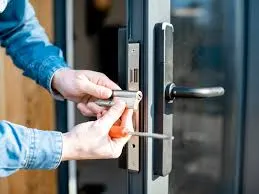
In any commercial property—whether it’s a retail store, office building, or industrial facility—security is paramount. And while advanced surveillance systems and access controls often take the spotlight, locks remain the foundation of physical security.
Despite their importance, locks are often overlooked until they fail. Regular maintenance can prevent lockouts, unauthorized access, and costly repairs.
In this article, we’ll walk you through essential lock maintenance tips for commercial properties and explain how professional locksmith services play a crucial role in keeping your business secure and operational.
1. Inspect Locks Regularly
Routine inspections are your first line of defense against malfunctioning locks. Check for:
- Loose screws or components
- Difficulty turning keys
- Rust, corrosion, or discoloration
- Misalignment between the lock and strike plate
- Excessive wear on keys
Regular visual and functional checks—performed monthly or quarterly—can help identify issues before they become serious. A commercial locksmith can conduct more in-depth inspections as part of a scheduled maintenance plan.
2. Clean and Lubricate Moving Parts
Locks contain intricate mechanical parts that benefit from occasional cleaning and lubrication. Dust, grime, and moisture can build up inside the cylinder, making it harder to insert or turn keys.
To maintain smooth operation:
- Use graphite powder or a silicone-based lubricant—never oil-based lubricants, which attract dust and cause buildup.
- Avoid spraying substances directly into the keyhole unless it’s a recommended lock lubricant.
- Wipe down exterior components to remove dirt and prevent rust.
If your business has multiple locks, especially high-traffic entry points, schedule a locksmith to perform seasonal maintenance and ensure all mechanisms are functioning optimally.
3. Rekey or Replace Locks After Employee Turnover
One of the most common commercial security oversights is failing to change or rekey locks after employees leave—especially those who had access to sensitive areas or master keys.
Rekeying is a cost-effective way to reset locks without full replacement, and a licensed locksmith in Sawbridgeworth can do this quickly with minimal disruption. For higher-risk scenarios or outdated hardware, complete replacement may be advised.
4. Ensure Proper Alignment and Door Hardware Function
Locks are only as secure as the doors and frames they’re attached to. Misaligned strike plates or sagging doors can cause locks to jam or fail.
To maintain alignment:
- Check for smooth closing and latching of doors.
- Tighten loose hinges and door closers.
- Make sure weather stripping doesn’t interfere with lock operation.
- Ensure the strike plate is aligned with the latch bolt.
Commercial locksmiths often provide door hardware services in addition to lock maintenance, ensuring your entire entry system works as a unit.
5. Upgrade Outdated Lock Systems
Older locks may no longer meet today’s commercial security standards, especially in industries with regulatory requirements like healthcare, finance, or retail.
If your locks are:
- Easily picked or bumped
- Missing ANSI/BHMA grading
- Difficult to operate
- Lacking compatibility with access control systems
…it may be time for an upgrade. A professional locksmith can recommend and install high-security locks or electronic systems tailored to your property’s needs.
6. Duplicate Keys Wisely
Lost or duplicated keys are a major security vulnerability. Always track who has access to each key and limit duplication rights. Consider:
- Using restricted key systems that only a certified locksmith can duplicate.
- Implementing a master key system for tiered access control.
- Periodically auditing key distribution and updating records.
Locksmiths can help create and manage master key systems, ensuring efficient access while maintaining control and accountability.
7. Schedule Professional Locksmith Services
While some minor maintenance can be done in-house, commercial properties benefit from working with licensed and insured locksmiths for:
- Preventative maintenance plans
- Emergency lockout services
- Lock rekeying or replacement
- Security audits and recommendations
- Installation of advanced locking mechanisms
Regular visits from a locksmith can help identify wear, prevent failures, and suggest upgrades based on emerging threats or technologies. A good locksmith in Ware becomes a partner in your long-term security strategy.
8. Protect Outdoor and High-Traffic Locks
Exterior locks face harsher conditions and more frequent use. Protect them by:
- Installing weather-resistant lock models
- Using protective covers for exposed cylinders
- Applying lubricants more frequently
- Replacing any lock showing rust or sticking
High-traffic areas, like main entrances or employee access doors, should be checked more frequently and possibly upgraded to commercial-grade or smart locking systems.
Conclusion
Locks are an essential but often underappreciated part of commercial property security. Regular maintenance can extend their lifespan, reduce costly repairs, and ensure your business remains secure.
From routine inspections to complete lock upgrades, working with a professional locksmith service is the best way to maintain a safe and functional security system. Don’t wait until a malfunction leads to a lockout or breach—schedule preventive maintenance today and keep your business protected.