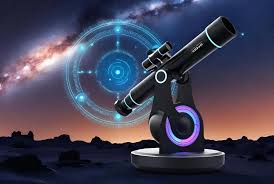
Have you ever dreamed of capturing stunning images of distant galaxies from your own backyard? Thanks to the rise of smart telescopes, this dream is becoming a reality for amateur astronomers around the world. These high-tech devices are transforming the way we explore the night sky, making stargazing easier, more accessible, and far more rewarding than ever before. Whether you’re a seasoned astronomer or just starting out, smart telescopes are opening up new possibilities for everyone.
What Are Smart Telescopes?
At their core, smart telescopes are high-tech devices designed to enhance the stargazing experience. Unlike traditional telescopes, which require manual adjustments and expertise to find celestial objects, smart telescopes integrate modern technology like artificial intelligence, smartphone apps, and Wi-Fi connectivity to automate and simplify the process.
These telescopes come with features like automated object tracking, real-time image processing, and sky mapping, all aimed at making the night sky easier to explore. With just a few taps on your smartphone or tablet, you can connect to the telescope, locate distant stars, planets, and galaxies, and even start capturing high-quality images. This level of accessibility and ease is revolutionising backyard astronomy and making it more enjoyable for everyone.
Automation: A Game-Changer for Stargazers
One of the most significant advantages of smart telescopes is their automated tracking and alignment capabilities. With traditional telescopes, you often have to manually adjust the position of the telescope to find celestial objects, which can be both time-consuming and frustrating for beginners. Smart telescopes, however, do the hard work for you. These devices are equipped with sensors and advanced algorithms that allow them to automatically locate and track celestial bodies as they move across the sky.
This feature is incredibly useful for both experienced astronomers and those just getting started. For beginners, it takes the guesswork out of locating stars and planets, allowing them to focus more on observing and enjoying the view. For experienced astronomers, automated tracking means they can observe multiple objects without constantly needing to adjust their equipment.
For example, the Dwarf 3 Smart Telescope offers a seamless user experience with its automatic object recognition and tracking features. It helps users explore the night sky without the need for complex setup procedures, making stargazing more intuitive and enjoyable for all.
Enhanced Astrophotography for Amateurs
Astrophotography has traditionally been an intimidating aspect of astronomy, requiring advanced knowledge of cameras, exposure settings, and alignment techniques. However, with the advent of smart telescopes, astrophotography has become more accessible to amateurs. These telescopes automate several key aspects of the astrophotography process, such as image stacking, exposure time adjustments, and focus calibration, significantly reducing the technical barrier for newcomers.
Smart telescopes like the Dwarf 3 also offer real-time image processing, allowing users to see live images of celestial objects as they observe them. This feature is particularly exciting for those who want to capture stunning photos of the night sky without spending hours adjusting their equipment or processing images manually.
For those who have always wanted to photograph planets, galaxies, and nebulae but were unsure where to start, smart telescopes make it possible to achieve high-quality astrophotography with minimal effort. The simplicity and convenience of these devices make them ideal for capturing breathtaking images of the cosmos right from your own backyard.
Portability and Accessibility
Another key advantage of smart telescopes is their portability. Traditional telescopes can be bulky and difficult to transport, making them less ideal for impromptu stargazing sessions or travel. In contrast, many smart telescopes are designed to be lightweight, compact, and easy to set up, which makes them perfect for both backyard stargazing and on-the-go exploration.
Smartphones play a big role in making these telescopes even more accessible. Most smart telescopes, including the Dwarf 3, are controlled through an app on your smartphone or tablet. This feature eliminates the need for complex control panels and makes it easier for users of all ages to operate their telescopes. The app provides an intuitive interface that guides you through the process of connecting the telescope, locating objects, and capturing images.
With these advancements, smart telescopes are bringing the beauty of the night sky to more people than ever before. Whether you live in a suburban area or the heart of a city, you can easily access the stars with a portable, user-friendly device.
The Impact on Amateur Astronomy Communities
Smart telescopes are not only making stargazing more accessible to individuals, but they are also bringing together communities of amateur astronomers. The rise of smart telescopes has sparked a new wave of interest in astronomy, as people of all ages and backgrounds are discovering the joy of observing the night sky.
These telescopes often come with cloud-based platforms or online communities that allow users to share their observations, photographs, and experiences with others. This sense of community helps foster collaboration and support, particularly for those who are new to the hobby.
Furthermore, some smart telescopes, like the Dwarf 3, allow users to participate in collaborative projects and contribute to scientific research. For example, users can help track celestial events or collect data on specific objects, contributing to a greater understanding of the universe. This has helped transform astronomy from a solitary activity into a shared experience, with people around the world engaging in stargazing and astrophotography together.
Why Smart Telescopes Are the Future of Stargazing
The integration of technology into astronomy is not just a passing trend. Smart telescopes are a significant leap forward in making stargazing more accessible, enjoyable, and educational. With their automated tracking, enhanced astrophotography features, and user-friendly interfaces, smart telescopes are setting a new standard for amateur astronomy.
As technology continues to improve, we can expect even more innovations in the field of smart telescopes, making it easier for people to explore the cosmos from their backyards. Whether you’re a seasoned astrophotographer or someone who has never looked through a telescope before, these devices offer a world of possibilities right at your fingertips.
In conclusion, smart telescopes are not only revolutionising the way we engage with the night sky but also transforming the hobby of astronomy into a more accessible and inclusive experience for everyone. From beginners to experts, these high-tech tools are making stargazing easier, more exciting, and more rewarding than ever before.
By combining cutting-edge technology with the beauty of the universe, smart telescopes like the Dwarf 3 are helping to unlock the mysteries of the cosmos for all to see.