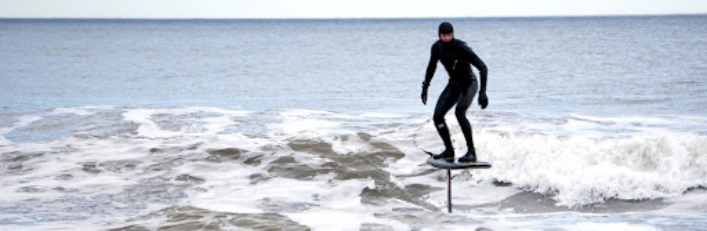
Hydrofoil boarding, also known as foil surfing, is a thrilling water sport that lets you glide above the water’s surface on a hydrofoil board. This innovative design reduces drag, offering a smoother, faster ride compared to traditional surfing. Whether you’re catching waves, exploring calm lakes, or mastering advanced tricks, hydrofoil boards provide a unique experience for water sports enthusiasts.
What Is a Hydrofoil Board?
A hydrofoil board is a type of surfboard with a hydrofoil—a wing-like structure—attached underneath. As the board gains speed, the hydrofoil lifts it above the water, reducing resistance and allowing for a smoother, faster ride. Unlike traditional surfing, which relies on waves, hydrofoil boarding can be done in various conditions, including flat water, making it versatile for oceans, lakes, and rivers.
The sensation of “flying” over water has made hydrofoil boards popular among water sports fans. They are used in disciplines like surf foiling, kite foiling, wind foiling, and electric foiling (eFoiling), each offering a unique experience.
History of Hydrofoil Boarding
Hydrofoil technology dates back to the early 20th century, but its use in board sports began in the late 1990s. Big-wave surfer Laird Hamilton and waterman Kai Lenny were among the first to experiment with attaching hydrofoils to surfboards for greater speed and maneuverability. In 1999, Mango Carafino designed hydrofoils for kitesurfing, a key milestone in the sport’s development.
By the 2000s, hydrofoil boards gained traction in competitions, and their popularity grew steadily. In 2024, hydrofoil boarding made its Olympic debut with events like windfoiling and kitefoiling, solidifying its status as both a competitive and recreational activity.
How Does a Hydrofoil Board Work?
A hydrofoil board consists of three main parts:
- Mast: A vertical pole connecting the board to the wings.
- Front Wing: Creates lift by generating a pressure differential as it moves through water, similar to an airplane wing.
- Back Wing: Stabilizes the board for balance.
As the rider gains speed—through paddling, waves, wind, or an electric motor—the front wing lifts the board out of the water, reducing drag. The back wing keeps the board steady, allowing for smooth gliding.
Understanding Hydrofoil Boards
A hydrofoil board is the core component of this sport, consisting of the board itself and the attached hydrofoil system. The board can be made from materials like fiberglass, carbon fiber, or inflatable designs for beginners. The hydrofoil system includes the mast, front wing, and back wing, each playing a crucial role in lifting the board above the water.
When choosing a hydrofoil board, consider your skill level, the type of water you’ll be riding on, and the discipline you’re interested in (surf foiling, kite foiling, etc.). For beginners, inflatable boards offer stability and ease of use, while advanced riders might prefer rigid boards for better performance. Electric hydrofoil boards, or eFoils, are increasingly popular due to their ease of use and ability to ride in flat water conditions. These boards are powered by an electric motor and battery, allowing riders to control their speed and enjoy longer sessions without relying on wind or waves.
Getting Started with Hydrofoil Boarding
Starting hydrofoil boarding requires the right gear, techniques, and safety measures. Here’s a step-by-step guide for beginners.
Essential Gear
- Hydrofoil Board: Choose one designed for your skill level and riding conditions. Explore Loco’s hydrofoil boards for options like the Loco Fly Air Inflatable Foil Board.
- Hydrofoil: Varies in size and design based on the type of boarding.
- Wetsuit: Provides warmth and protection in cooler waters .
- Safety Gear: Includes a life jacket, helmet, and impact vest for protection.
- Leash: Keep the board attached to you during falls.
Choosing the Right Hydrofoil Board
Consider these factors when selecting a hydrofoil board:
- Skill Level: Beginners need larger, stable boards (4’2” to 4’8” with 32–38 liters of volume).
- Water Conditions: Boards for waves differ from those for flat water or windy conditions.
- Board Type: Choose based on whether you’re surf foiling, kite foiling, wind foiling, or eFoiling.
Basic Techniques
- Stance: Stand with feet shoulder-width apart, weight on the front foot.
- Paddling: Paddle out in a prone position, similar to surfing.
- Popping Up: Stand quickly when you feel the hydrofoil lift, keeping knees bent.
- Riding: Steer by shifting your body weight, keeping a low center of gravity.
Safety Tips
- Wear safety gear at all times.
- Practice in calm, protected waters like bays or lakes.
- Take lessons from certified instructors to master techniques.
- Stay aware of other water users and follow local rules.
- Read our safety tips for hydrofoil boarding for more guidance.
Budgeting for Hydrofoil Boarding
Hydrofoil boarding can be an investment, but there are options for every budget. Here’s a breakdown of typical costs:
Renting equipment initially is a great way to test the sport before buying.
Types of Hydrofoil Boarding
Hydrofoil boarding includes several disciplines:
- Surf Foiling: Uses waves for propulsion, offering a surfing-like experience with added lift.
- Kite Foiling: Powered by a kite, ideal for light wind conditions.
- Wind Foiling: Uses a hand-held wing for control in windy environments.
- E-Foiling: Electric-powered boards for flat water, accessible to beginners.
Each type requires specific boards and skills, so choose based on your interests and local conditions.
Advanced Techniques and Competitions
Experienced riders can try advanced tricks like jumps, spins, and backflips. In May 2025, Greek rider Nikolas Plytas landed the first-ever double backflip on a hydrofoil board, a significant achievement in the sport. Hydrofoil boarding has also gained recognition in competitive events, with disciplines like windfoiling and kitefoiling debuting at the 2024 Olympics. The sport continues to grow, with local and international races showcasing riders’ skills.
Maintenance and Care
To extend your hydrofoil board’s lifespan:
- Rinse the hydrofoil and board with fresh water after use.
- Inspect for damage to the mast, wings, or leash.
- Store in a dry, cool place away from sunlight.
Regular maintenance ensures optimal performance and safety.
Where to Hydrofoil
Hydrofoil boarding is versatile, with ideal locations including:
- Oceans: Perfect for surf foiling and wave riding.
- Lakes and Rivers: Great for flat-water eFoiling or wind foiling.
- Protected Bays: Safe for beginners to practice.
Check local regulations and conditions before riding.
Final Thoughts
Hydrofoil boarding is more than just a sport; it’s a way to experience the water like never before. The feeling of gliding above the waves, the rush of speed, and the freedom it offers make it an unforgettable adventure. Whether you’re a beginner looking to try a hydrofoil board or an experienced rider seeking new challenges, there’s something for everyone.
At Loco, we’re passionate about helping you discover the joys of this incredible sport. Our range of hydrofoil boards is designed for all skill levels, from inflatable options for beginners to high-performance boards for advanced riders. Visit our website to explore our collection and find the perfect hydrofoil board for your adventures.