Table of Contents
- Introduction
- What is Laser Treatment?
- Types of Laser Treatments
- Advantages of Laser Treatment
- 4.1 Precision and Accuracy
- 4.2 Minimally Invasive
- 4.3 Faster Recovery Time
- 4.4 Reduced Risk of Infection
- 4.5 Versatility in Medical and Aesthetic Applications
- Common Applications of Laser Treatment
- 5.1 Dermatology
- 5.2 Ophthalmology
- 5.3 Dentistry
- 5.4 Aesthetic Procedures
- Conclusion
1. Introduction
Laser treatment has become a cornerstone of modern medical and aesthetic procedures, offering a variety of applications from skin rejuvenation to vision correction. It involves the use of focused light energy to treat tissues with high precision, making it a versatile tool in various fields such as dermatology, ophthalmology, and even dentistry. While laser technology provides numerous advantages, it is essential to weigh its benefits against potential drawbacks to make informed decisions regarding its use. This article aims to provide an in-depth analysis of laser treatment, highlighting its advantages, and common applications.
2. What is Laser Treatment?
Laser stands for Light Amplification by Stimulated Emission of Radiation. A laser is a device that emits light through a process of optical amplification based on the stimulated emission of electromagnetic radiation. Lasers produce highly concentrated beams of light that can be precisely targeted to treat tissues with minimal collateral damage.
Laser treatments are typically categorized into two main types:
Ablative and non-ablative. Ablative lasers remove or vaporize tissue, whereas non-ablative lasers work by heating the tissue to stimulate collagen production or other healing processes without removing tissue.
3. Types of Laser Treatments
There are various types of lasers used in medical and aesthetic treatments. Some of the most commonly used ones include:
- CO2 Lasers: Used for skin resurfacing and removing layers of damaged skin.
- Erbium YAG Lasers: Suitable for skin resurfacing and treating fine lines and wrinkles.
- Alexandrite Lasers: Used for hair removal and tattoo removal.
- Diode Lasers Used in both cosmetic and medical procedures like hair removal and dental applications.
- Nd:YAG Lasers: Used for deep tissue treatments, vascular lesions, and in dental procedures.
4. Advantages of Laser Treatment
Laser treatment offers several key benefits, making it highly sought after by both medical professionals and patients.
4.1 Precision and Accuracy
One of the primary advantages of laser treatment is the precision it offers. Lasers can target specific areas with a high degree of accuracy, ensuring that the surrounding tissues remain largely unaffected. This makes laser treatment ideal for delicate or difficult-to-reach areas, such as in eye surgeries like LASIK or skin treatments that require minimal disruption to surrounding tissue.
4.2 Minimally Invasive
Laser treatments are often described as minimally invasive procedures because they require little to no cutting. This results in less trauma to the body, fewer complications, and a quicker recovery. For example, in dermatology, lasers can be used to treat wrinkles or scars without the need for surgical incisions, reducing the risks associated with traditional surgery.
4.3 Faster Recovery Time
Because laser treatments are less invasive than traditional surgical methods, the recovery time is typically much shorter. Many patients can resume their normal activities within a day or two, depending on the procedure. This is a significant advantage for those seeking treatments that involve minimal downtime.
4.4 Reduced Risk of Infection
Laser treatments are often associated with a lower risk of infection. Since lasers generally do not require large incisions or cuts, there is a reduced opportunity for bacteria or other pathogens to enter the body. In procedures like laser hair removal, the skin’s surface is less disturbed, lowering the risk of infection.
4.5 Versatility in Medical and Aesthetic Applications
Laser technology is versatile, with applications spanning multiple medical fields, including dermatology, ophthalmology, dentistry, and even cancer treatments. It is used in procedures like hair removal, laser eye surgeries (e.g., LASIK), teeth whitening, and even tumor treatment. This wide range of applications highlights the growing importance of lasers in modern healthcre.
- Common Applications of Laser Treatment
Laser treatments are employed across various disciplines in medicine and cosmetics, offering distinct benefits depending on the field of application.
5.1 Dermatology
In dermatology, lasers are commonly used to treat a variety of skin conditions, including acne scars, sun damage, wrinkles, and tattoos. Lasers like CO2 and Erbium are used for resurfacing the skin, helping to reduce fine lines and promote collagen production. Additionally, lasers are used for hair removal, providing a long-term solution compared to traditional methods like waxing or shaving.
5.2 Ophthalmology
Laser technology has revolutionized ophthalmology, particularly with LASIK (Laser-Assisted in Situ Keratomileusis), a procedure used to correct refractive vision problems like nearsightedness, farsightedness, and astigmatism. The procedure reshapes the cornea, allowing light to be properly focused on the retina for improved vision.
5.3 Dentistry
In dentistry, lasers are used for a variety of purposes, including tooth whitening, gum contouring, and filling cavities. Laser treatment can help in the removal of soft tissue, reducing bleeding during dental procedures, and promoting faster healing times.
5.4 Aesthetic Procedures
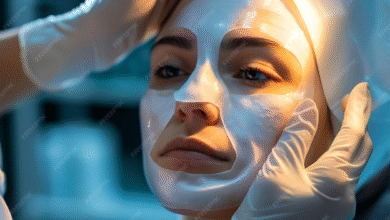
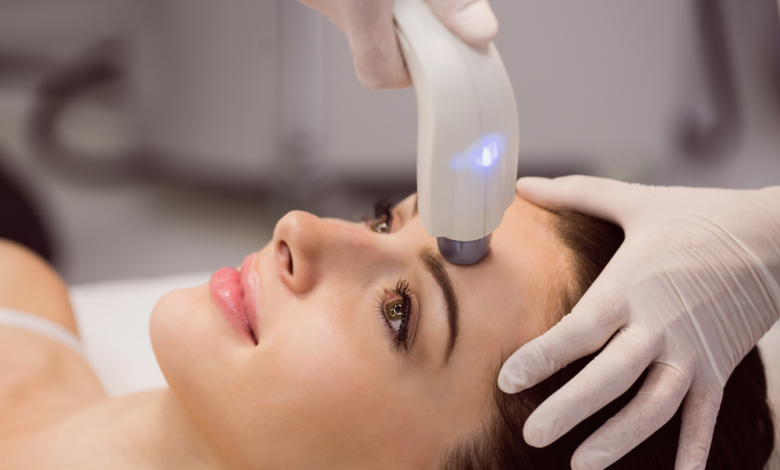
Laser treatments in aesthetics encompass a range of procedures aimed at improving appearance. These include non-invasive facial rejuvenation, tattoo removal, skin resurfacing, and hair removal. Laser treatments are popular for their minimal downtime and long-lasting results.
6. Conclusion
Laser treatment has proven to be an effective and versatile solution for various medical and aesthetic applications, providing patients with significant benefits like precision, minimal invasiveness, and quicker recovery times. However, it is important to consider the potential risks, including high costs, side effects, and the need for skilled practitioners to ensure optimal results.
As technology continues to advance, it is likely that the scope and capabilities of laser treatments will expand, offering even more treatment options in the future. Patients must weigh the pros and cons of laser therapy to make well-informed decisions based on their specific needs and conditions.