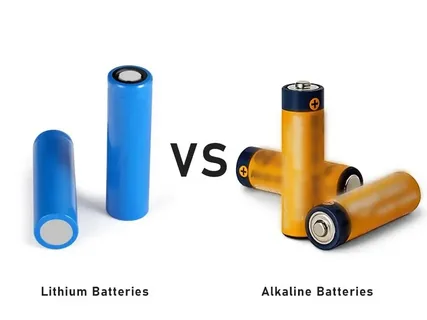
Choosing the right battery type is essential for maximizing device performance and long-term value. Many customers comparing lithium vs alkaline batteries want to understand the real differences beyond price. While alkaline batteries remain a popular everyday option, lithium batteries are known for higher performance in demanding conditions. At the same time, many users consider switching to a rechargeable battery to reduce waste and recurring costs. Understanding how these battery types differ in capacity, lifespan, safety, and application can help you make an informed purchasing decision.
Understanding Battery Chemistry Basics
Batteries generate power through chemical reactions. The materials used inside determine performance, durability, and efficiency. Alkaline batteries use zinc and manganese dioxide, while lithium batteries rely on lithium-based compounds. Rechargeable batteries, such as Nickel-Metal Hydride (NiMH) or Lithium-ion, use reversible chemical reactions that allow repeated charging cycles.
Each chemistry offers advantages depending on usage needs.
What Are Alkaline Batteries?
Alkaline batteries are widely available and commonly used in household electronics. They typically provide 1.5 volts and are designed for moderate energy consumption devices. Because of their affordability and long shelf life, they remain a reliable option for everyday products.
Key Advantages of Alkaline Batteries
- Affordable and easy to find
- Long shelf life (up to several years)
- Reliable for low to moderate-drain devices
- Simple, disposable design
Alkaline batteries are ideal for remote controls, wall clocks, flashlights, and toys that do not require continuous heavy power.
Limitations of Alkaline Batteries
While convenient, alkaline batteries have some drawbacks:
- Limited lifespan in high-drain devices
- Performance drops significantly under heavy load
- Not rechargeable
- May leak if left unused in devices for extended periods
For energy-intensive applications, alkaline batteries may need frequent replacement.
What Are Lithium Batteries?
Lithium batteries offer higher energy density and superior performance. They are commonly used in cameras, high-powered flashlights, medical devices, and outdoor electronics.
Key Advantages of Lithium Batteries
- Longer lifespan compared to alkaline
- Lighter weight
- Better performance in extreme temperatures
- Higher energy output for demanding devices
Lithium batteries maintain voltage stability even under high-drain conditions, making them suitable for professional or critical-use equipment.
Limitations of Lithium Batteries
Despite their performance benefits, lithium batteries are generally more expensive than alkaline alternatives. They are also not always necessary for low-drain devices, where their advanced capacity may go unused.
Comparing Performance in Real-World Applications
When choosing between lithium and alkaline batteries, device requirements matter most.
High-Drain Devices
Devices such as digital cameras, gaming controllers, and medical equipment benefit from lithium batteries. Their stable voltage output and higher energy density prevent sudden power drops.
Low-Drain Devices
For products like remote controls, clocks, and simple LED lights, alkaline batteries offer a cost-effective solution without sacrificing reliability.
Matching battery type to device demand ensures optimal performance and cost efficiency.
Temperature Resistance and Durability
One of lithium batteries’ strongest advantages is their ability to function in extreme temperatures. In cold environments, alkaline batteries may lose efficiency quickly, while lithium batteries continue to perform reliably.
For outdoor equipment or industrial use in variable climates, lithium batteries are often the better choice.
Shelf Life Comparison
Alkaline batteries typically have a shelf life of five to ten years when stored properly. Lithium batteries can last even longer, maintaining charge stability over extended periods.
This makes lithium batteries ideal for emergency kits or backup power storage.
Environmental Considerations
Environmental impact plays an increasing role in purchasing decisions. Disposable alkaline and lithium batteries contribute to waste when discarded frequently.
Rechargeable options reduce environmental strain by allowing hundreds of charging cycles. For users concerned about sustainability, rechargeable batteries offer a long-term eco-friendly solution.
Cost Analysis: Short-Term vs Long-Term Value
Initial purchase price often influences buying decisions. Alkaline batteries are typically less expensive upfront. However, frequent replacements in high-drain devices can increase long-term costs.
Lithium batteries, while more expensive initially, may last several times longer in demanding applications.
Rechargeable batteries involve higher upfront investment but significantly reduce long-term spending, especially in businesses that use batteries regularly.
When Should You Choose Rechargeable Batteries?
Rechargeable batteries are ideal for:
- Devices used daily
- Offices with multiple wireless accessories
- Industrial or commercial equipment
- Households aiming to reduce waste
Although they may provide slightly lower voltage than disposable alkaline batteries (typically 1.2V for NiMH), modern rechargeable batteries deliver consistent power and excellent performance.
Over time, their reusability makes them highly cost-effective.
Safety and Handling Differences
Both lithium and alkaline batteries are generally safe when used properly. However, lithium batteries must be handled carefully, especially in high-heat conditions.
Key safety tips include:
- Avoid mixing battery types in one device
- Do not recharge non-rechargeable batteries
- Store batteries in dry, cool environments
- Dispose of used batteries responsibly
Following manufacturer guidelines ensures safe and reliable usage.
Commercial and Industrial Applications
In commercial environments, battery selection impacts operational efficiency. Retail scanners, security devices, medical tools, and wireless office equipment all rely on consistent power sources.
Lithium batteries are often preferred in professional environments requiring dependable performance. Meanwhile, rechargeable batteries offer cost savings for large-scale daily use.
Reliable sourcing from established suppliers ensures quality, safety compliance, and consistent inventory availability.
Common Myths About Lithium and Alkaline Batteries
One misconception is that lithium batteries are always better. In reality, “better” depends on the application. For low-power devices, alkaline batteries remain perfectly suitable.
Another myth is that rechargeable batteries are weak or unreliable. Modern rechargeable technologies provide stable output and long cycle life, making them practical for frequent use.
Understanding actual usage needs helps avoid overspending on unnecessary battery capacity.
Making the Right Choice for Your Needs
Choosing between lithium, alkaline, and rechargeable batteries requires considering:
- Device power requirements
- Usage frequency
- Environmental conditions
- Budget considerations
- Sustainability goals
No single battery type fits every situation. A balanced approach ensures both performance and value.
Final Thoughts
The debate around lithium vs alkaline batteries ultimately comes down to matching power solutions with real-world needs. Alkaline batteries remain affordable and dependable for everyday devices. Lithium batteries excel in high-performance and extreme-condition environments. Rechargeable batteries provide a sustainable and cost-efficient alternative for long-term use.
Understanding the strengths and limitations of each battery type empowers consumers and businesses to make smarter energy decisions. By selecting the right battery for each application, users can enhance device efficiency, reduce waste, and optimize overall costs.