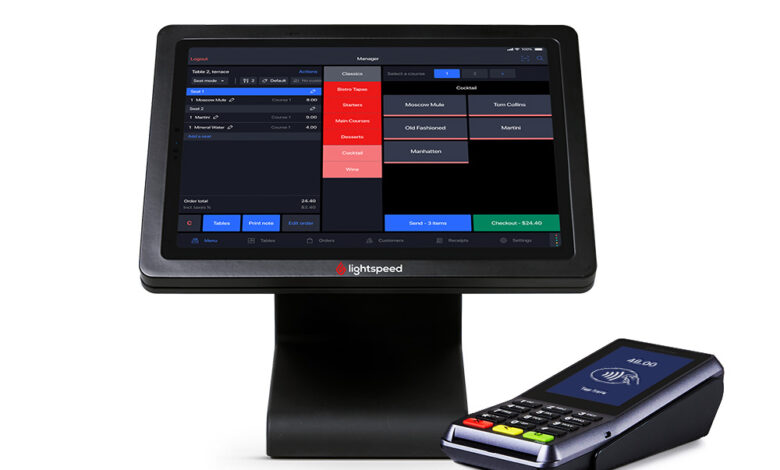
Running a bar is far more complex than simply pouring drinks and collecting payments. From managing stock levels to tracking employee shifts and handling customer service, there are countless moving parts behind the scenes. That’s where technology steps in to ease the burden. Many establishments start by installing a POS (Point-of-Sale) system, but as their operations grow, they often discover the need for more comprehensive bar management software. While both tools serve a valuable role, they differ significantly in scope, functionality, and long-term benefits.
Understanding the Basics: What Is a POS System?
A POS system is designed primarily to process sales transactions. When a customer places an order, the POS records the item, calculates the total (including tax and discounts), and finalises payment through cash, card, or mobile device. Most POS systems also generate receipts and track basic sales data.
Modern bar POS systems have evolved to include features like split billing, real-time menu updates, and simple inventory deduction after each sale. They are particularly useful for fast-paced environments where quick, accurate transactions are essential.
However, the limitations become apparent as your bar expands or diversifies. POS systems are often confined to front-of-house operations and typically lack the depth required to manage the entire business.
What Is Full Bar Management Software?
Full bar management software is a more extensive platform designed to oversee both front-of-house and back-of-house operations. In addition to handling sales like a POS, it integrates inventory management, staff scheduling, purchasing, compliance tracking, customer relationship management (CRM), and detailed analytics.
These systems are built with the complexities of running a bar in mind. For example, they can automatically alert managers when stock levels drop below a certain threshold or suggest order quantities based on historical usage patterns. They may also include recipe costing tools, employee time tracking, and integration with accounting software.
Full bar management software acts as the central nervous system for your venue, ensuring every component—from inventory to payroll—is connected and operating efficiently.
Key Differences Between POS and Bar Management Software
While a POS system is a necessary tool, it’s only one part of a broader ecosystem. Here are the main areas where the two diverge:
Functionality
- POS System: Focused on sales processing, billing, and payment handling.
- Bar Management Software: Covers sales, inventory, employee management, analytics, compliance, and more.
Inventory Management
- POS: May deduct sold items from stock but offers limited tracking or forecasting.
- Bar Management Software: Tracks inventory in real-time, forecasts demand, prevents waste, and manages supplier orders.
Labour and Scheduling Tools
- POS: May offer basic staff log-ins or shift tracking.
- Bar Management Software: Provides full staff scheduling, clock-in/out features, and wage management.
Reporting and Analytics
- POS: Generates basic sales reports.
- Bar Management Software: Offers in-depth analysis of costs, profits, trends, and operational efficiency.
Scalability
- POS: Suitable for small operations or startups.
- Bar Management Software: Ideal for multi-location bars, high-volume venues, or growing businesses that need data-driven oversight.
Which One Is Right for Your Bar?
Choosing between a POS system and full bar management software depends largely on your business size, goals, and operational complexity. A small local bar may do just fine with a POS for day-to-day transactions. However, if you aim to optimise operations, reduce shrinkage, and gain better control over finances and staffing, full bar management software is the smarter investment.
Both tools have their place in the hospitality industry, but they serve different purposes. Think of a POS system as the cash register and a bar management platform as your full control room. For bar owners looking to scale, streamline processes, and make informed business decisions, the investment in comprehensive bar management software offers far-reaching benefits well beyond the point of sale.