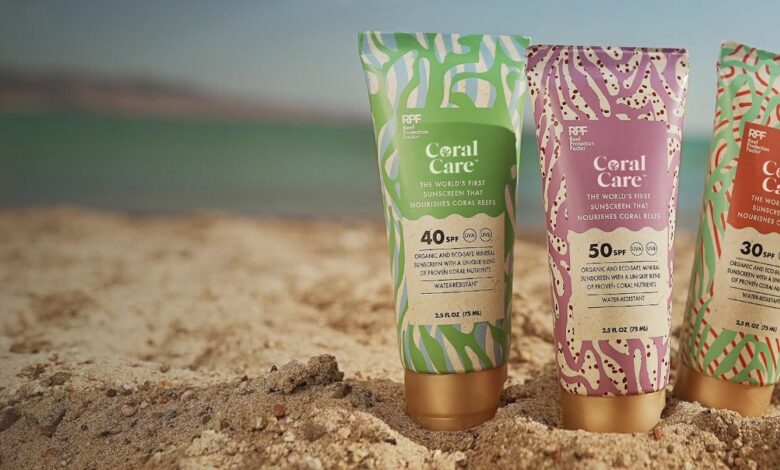
Sunscreen is no longer just about sun protection, it’s about making smarter, more responsible choices for both our skin and the environment. As concerns over skin sensitivity, acne, and environmental damage rise, terms like “reef-safe” and “non-comedogenic” have become increasingly important. A reef-safe sunscreen avoids ingredients that harm coral reefs and marine life, while a non comedogenic sun protection prevents clogged pores and breakouts.
But finding a product that meets both standards can feel overwhelming. Can a sunscreen really protect your skin and the sea? In this guide, we explore how modern skin care innovations are making it possible to enjoy sun safety without compromising on ocean health or skin clarity.
Understanding the Impact of Sunscreen on Coral Reefs
Let’s start with the reef-safe part. Coral reefs are some of the most diverse ecosystems on the planet, yet they’re also among the most endangered. One often overlooked threat is the presence of certain chemicals in sunscreen. Studies have shown that common sunscreen ingredients like oxybenzone and octinoxate can cause coral bleaching, damage coral DNA, and disrupt the development of marine species even in tiny concentrations.
These chemicals enter the ocean every time someone wearing sunscreen goes swimming or even showers. As tourism grows in coastal areas, the cumulative effect becomes devastating. That’s why regions like Hawaii, U.S, Virgin Islands, Palau and parts of Mexico have already banned the sale of sunscreens containing these ingredients.
So, what does a reef safe sunscreen use instead? The most common and effective alternative is non-nano zinc oxide or titanium dioxide. These minerals physically block the sun’s rays rather than absorbing them, and they are considered much safer for marine life when used in non-nano (non-microscopic) form.
What Your Skin Needs: Why Non-Comedogenic Matters
Now let’s shift the focus to your skin. Non-comedogenic products are specially formulated not to clog pores, making them a top choice for people with oily, acne-prone, or sensitive skin. In many cases, breakouts can be triggered not by hormones or bacteria, but by the products we use especially if they’re heavy, greasy, or filled with pore-clogging ingredients.
Common comedogenic ingredients to avoid include:
- Coconut oil (especially on facial skin)
- Lanolin
- Isopropyl myristate: Common emollients that are highly comedogenic for many.
- Algae extract: While often found in “natural” products, some forms can be pore-clogging.
- Petrolatum (mineral oil)
Instead, look for sunscreens that include lightweight, non-clogging ingredients like:
- Squalane
- Aloe vera
- Sunflower seed oil
- Green tea extract
The best non-comedogenic sunscreens are lightweight, absorb quickly, and leave no heavy or greasy residue. They also tend to be fragrance-free, reducing the risk of irritation, another win for sensitive skin types.
Is It Possible to Have Both in One Bottle?
Absolutely. The main challenge for formulators is that mineral sunscreens, while reef-safe, can sometimes feel heavy or chalky, especially older versions. But newer technologies have improved the texture and finish of mineral formulas, making them ideal even for acne-prone skin.
Zinc oxide, for example, not only protects the skin from UVA and UVB rays but also offers anti-inflammatory benefits, making it especially good for irritated or acne-prone skin. Dermatologists frequently recommend it for this reason.
Brands are now more aware of the need to create sunscreens that meet both criteria protecting the reefs and supporting healthy, clear skin. The key lies in using non-nano mineral UV blockers paired with non-comedogenic moisturizers and emollients. Avoiding synthetic fragrances and unnecessary oils further supports skin and environmental health.
Ingredients: What to Look For (and What to Avoid)
If you want to confidently choose a sunscreen that checks both boxes, start with the ingredient list. Here’s what to look for:
Safe Active Ingredients
- Non-nano zinc oxide
- Non-nano titanium dioxide
These provide effective broad-spectrum protection and are considered safe for both reefs and most skin types.
Non-Comedogenic Base Ingredients
- Aloe vera (soothing and lightweight)
- Squalane (hydrating without being greasy)
- Shea butter (in low concentrations)
- Glycerin (attracts moisture to the skin)
Ingredients to Avoid
- Oxybenzone, octinoxate, and homosalate (harm reefs)
- Coconut oil, algae extract, and synthetic fragrances (can clog pores or irritate skin)
- Parabens and phthalates (linked to hormone disruption and not environmentally friendly)
There are helpful tools you can use to double-check products. Apps like INCI Decoder, CosDNA, or the EWG Skin Deep database can break down each ingredient’s safety profile for both skin and environment.
Top Performer: A Closer Look at
When discussing sunscreens that rigorously meet both reef-safe and non-comedogenic standards. This brand is built on uncompromising environmental and skin safety principles.
Why Stream2Sea Excels for Both Concerns:
- Reef-Safe Foundation: Uses non-nano Zinc Oxide as the sole active ingredient (Titanium Dioxide free, which can sometimes be problematic for reefs in high concentrations). Rigorously tested and proven biodegradable. Packaged in recyclable sugarcane tubes.
- Non-Comedogenic Focus: Formulations are meticulously crafted to avoid known comedogenic ingredients. They prioritize:
- Lightweight, non-greasy textures (offered in lotion, tinted moisturizer, and stick forms).
- Soothing, non-clogging hydrators like aloe vera and organic green tea.
- Exclusion of heavy oils, butters, and highly comedogenic synthetics.
- Fragrance-free options available, crucial for sensitive and acne-prone skin.
- Skin & Ocean Testing: Beyond avoiding bad ingredients, Stream2Sea products undergo rigorous aquatic toxicity testing and dermatologist testing, including for comedogenicity.
- Performance: Offers broad-spectrum SPF protection (SPF 20, 30, & 40 options) in wearable, non-chalky formulas suitable for face and body.
Choosing Your Stream2Sea Match
- Sport Sunscreen (SPF 30): The classic lotion. Water-resistant (80 mins), lightweight, fast-absorbing. Great for the face and body. (Fragrance-Free or Lemongrass options).
- Tinted Moisturizer (SPF 30): Adds a sheer, universal tint to even skin tone while protecting. Ideal for daily facial use. Fragrance-free.
- Eco Stick (SPF 20): Convenient, targeted application. Great for sensitive areas like around eyes, ears, or for kids. Fragrance-free.
- Mineral Sunscreen for Body (SPF 20): A slightly thicker lotion, excellent for extended water exposure. Fragrance-free.
How to Apply Sunscreen for Best Results
- Cleanse First: Apply sunscreen to clean, dry skin. Residual oil or dirt can hinder absorption and increase clogging risk.
- Moisturize Wisely: If using moisturizer underneath, ensure it’s lightweight and non-comedogenic. Allow a few minutes for it to absorb before applying sunscreen. Alternatively, use a moisturizing sunscreen combo.
- The Golden Rule: Use Enough! Most people under-apply. Aim for 1/4 teaspoon for the face alone (about the size of a nickel). Don’t forget ears, neck, and décolletage.
- Gentle Application: Dot sunscreen around the face and gently pat or smooth it in. Avoid harsh rubbing, especially if using a mineral formula, to prevent pilling and potential irritation.
- Reapplication is Non-Negotiable: Reapply every 2 hours, or immediately after swimming, sweating heavily, or towel drying. Mineral sunscreens can rub off. Stream2Sea’s stick is excellent for easy face reapplication over makeup.
- Avoiding Grease: Choose tinted options or formulas that dry with a matte finish. This is especially helpful for oily skin.
Beyond the Bottle: The Ripple Effect of Your Choice
Choosing a sunscreen that is both reef-safe and non-comedogenic isn’t just a personal win; it’s a vote for a healthier planet and a commitment to long-term well-being.
- Protecting Paradise
By opting for verified reef-safe formulas, you directly reduce the toxic chemical load entering our oceans. This helps preserve coral reefs vital ecosystems supporting 25% of marine life, protecting coastlines, and sustaining fisheries. Your single choice, multiplied by millions of conscious consumers, creates significant positive change.
- Investing in Skin Health
Clean, non-comedogenic formulas minimize the risk of irritation, clogged pores, and breakouts. Consistently using effective, gentle sunscreen is the single most powerful anti-aging and skin cancer prevention step you can take. Avoiding pore-cloggers means you’re less likely to skip applications due to fear of breakouts.
- Supporting Ethical Innovation
Purchasing from brands like Stream2Sea that prioritize rigorous environmental standards and skin safety sends a powerful market signal. It encourages more companies to invest in developing truly sustainable and skin-friendly products, raising the bar for the entire industry.
Choosing a sunscreen that is both reef-safe and non-comedogenic is not only possible, it’s a smart and responsible decision for anyone who cares about their skin and the planet. By understanding the ingredients to look for and avoiding those that harm coral reefs or clog pores, you can enjoy effective sun protection without compromising your health or the environment. Brands like Stream2Sea are leading the way, proving that clean, eco-conscious skincare can deliver real results. As consumers, our choices matter. Every bottle of sunscreen you choose sends a message, one that supports healthy skin and a healthier ocean. So, the next time you reach for sun protection, let it be one that truly protects all around.
Your skin deserves the best protection without compromise. Our oceans deserve our respect. Choose sunscreen that honors both. Explore Stream2Sea’s range of reef-safe, non-comedogenic sunscreens today and experience the difference for yourself!