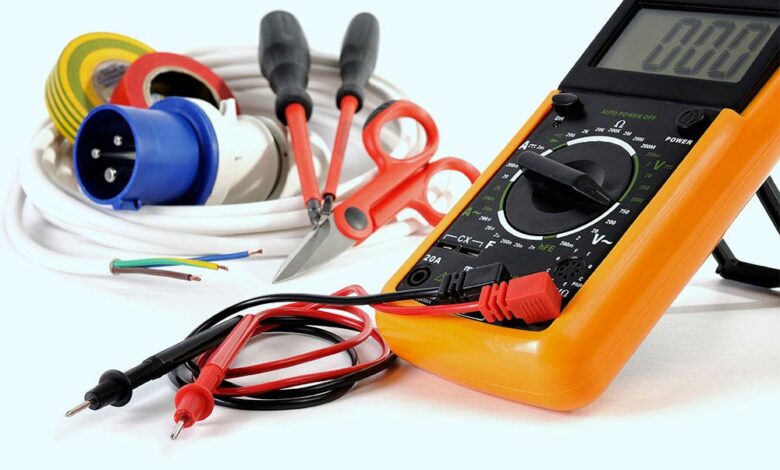
From offices and homes to schools and public venues, electrical devices are everywhere. Each one poses a potential risk if not properly maintained.
Portable Appliance Testing, or PAT testing, ensures the safety of electrical equipment. While it might sound technical, it’s a simple yet effective way to avoid electrical hazards.
In workplaces and public spaces, safety is a legal and moral obligation. No one wants an incident caused by something as preventable as a faulty appliance. PAT testing provides peace of mind and keeps everyone safe, whether it’s employees, customers, or visitors.
What is PAT Testing?
PAT testing is essentially a safety checkup for electrical devices. Its purpose is straightforward: it identifies faults that could make an appliance unsafe.
What’s considered a portable appliance? It’s not just lightweight gadgets you can carry around. Any device that plugs into a socket and can be moved qualifies. This includes:
- Kitchen appliances like kettles, toasters, and microwaves.
- Office equipment such as computers, printers, and extension cords.
- Industrial tools like drills, saws, and compressors.
The testing process includes both visual inspections and technical evaluations conducted with specialised tools. For example, testers might examine a cord for fraying or measure the resistance of insulation to ensure no electricity is leaking.
For those looking to carry out these safety checks, a portable appliance testing course provides comprehensive training. This program covers everything from understanding legal obligations to the practical use of testing equipment. Whether you’re a beginner or an experienced professional, this course is a valuable resource for enhancing workplace safety and meeting regulatory requirements.
Legal Requirements for PAT Testing
In the UK, laws like the Electricity at Work Regulations 1989 don’t explicitly demand PAT testing, but they do require all electrical equipment to be safe. Employers are required to take all necessary precautions to avoid electrical accidents.
PAT testing often becomes the go-to solution because it provides tangible proof of compliance. Regular testing creates a documented safety record that can protect businesses in case of an incident.
In high-risk environments, workers need to have a thorough understanding of electrical hazards and safe practices for working with or near them. Evaluate the situation and determine the safety measures that need to be put in place to eliminate or mitigate the risk of electrical injuries or accidents.
Understand general electrical hazards, safe practices, and procedures to prevent accidents when working with or around electrical systems. Obtaining an electrical safety certificate is another layer of protection. It is designed to raise awareness and educate individuals on handling electricity safely in various contexts.
The PAT Testing Process Explained
Understanding the PAT testing process can demystify it. Here’s a step-by-step breakdown:
Visual Inspection
The first step involves looking for visible signs of damage. This might include:
- Frayed or exposed wires.
- Cracked or broken plugs.
- Burn marks, which could indicate overheating.
- A keen eye can often spot problems that don’t require advanced tools.
Electrical Testing
After the visual check, testers use specialised equipment to detect issues that aren’t immediately visible. These tests might include:
- Earth Continuity Test: Ensures the appliance’s metal parts are properly grounded.
- Insulation Resistance Test: Checks if electrical insulation is preventing current from leaking.
- Polarity Test: Verifies the wiring within the plug is correct.
Labeling and Recording Results
Once an appliance passes, it is labeled with a sticker indicating the test date and the next due date. Failed appliances are either repaired or removed from use. The results are recorded for future reference, creating a safety log for the organisation.
Testing Frequency
How often should appliances be tested? It depends on the environment and usage:
- High-risk environments: Tools on construction sites might require testing every three months.
- Low-risk environments: Office equipment used occasionally might only need testing every two years.
A risk assessment helps determine the appropriate schedule for different appliances.
Benefits of Regular PAT Testing
Why bother with PAT testing? The benefits are numerous and they extend beyond essential compliance.
- Improved Safety: Faulty appliances can lead to electric shocks, fires, or worse. PAT testing identifies and removes these risks, ensuring a safer environment for everyone.
- Cost Savings: Replacing damaged equipment can be expensive. Catching and fixing minor issues early prevents costly breakdowns later. Plus, adequately maintained appliances tend to last longer, offering better value over time.
- Compliance Made Easy: Safety regulations can be complex, but PAT testing simplifies things. It provides clear documentation that an organisation is meeting its legal obligations, avoiding penalties and legal disputes.
- Enhanced Reputation: Organisations that prioritise safety earn trust. Employees feel protected, customers appreciate the care taken and stakeholders value the proactive approach. Safety-focused businesses often gain a competitive edge.
Common Myths and Misconceptions About PAT Testing
PAT testing is often misunderstood, which can lead to confusion or unnecessary costs. Let’s debunk some myths:
“PAT Testing Is Mandatory Every Year.”
There is no universal rule requiring annual testing for all appliances. The frequency depends on the device’s use, risk level, and environment. Low-use appliances in safe settings may not need yearly checks.
“PAT Testing Covers Every Potential Issue.”
While PAT testing is thorough, it’s not foolproof. Ongoing care and attention to how equipment is used are just as critical. For example, an appliance might pass testing but become unsafe later due to mishandling.
“You Need a Professional Electrician for PAT Testing.”
Not necessarily. With the proper training, anyone can perform PAT tests. However, it’s crucial to understand the process thoroughly to ensure accurate and reliable results.
“It’s Expensive and Time-Consuming.”
While it might seem like an extra task, PAT testing is quick and cost-effective compared to the consequences of ignoring safety. Plus, trained individuals or services can handle testing efficiently.
Conclusion:
PAT testing helps identify faults early, reduces risks, saves money, and ensures compliance with safety regulations. Adopting regular PAT testing is smart, responsible, and safe for workplaces, schools and public spaces. It demonstrates a commitment to safety and creates a safer environment for everyone involved.