Whether you’re planning a weekend camping trip, preparing for a power outage, or simply looking to reduce your dependence on the grid, a portable solar panel can be a smart investment. These compact and convenient energy solutions make it easier than ever to generate clean electricity wherever you are. But with so many options available, how do you choose the best one?
In this guide, we’ll break down everything you need to know before buying a portable solar panel. From power output and efficiency to size, weight, and practical applications, we’ll help you make an informed choice that fits your lifestyle and energy needs.
Why choose a portable solar panel?
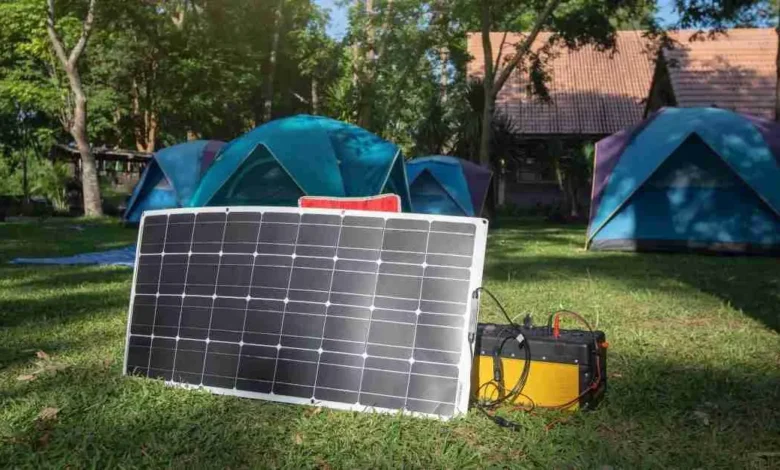
Unlike traditional solar systems that are fixed to rooftops, a portable solar panel is designed for mobility. You can fold it, carry it, and set it up just about anywhere the sun shines. This makes it perfect for outdoor enthusiasts, RV travelers, emergency preppers, and even homeowners who want a backup power source that doesn’t rely on fuel or electricity.
With the right portable solar panel, you can charge devices, run small appliances, and even power battery banks without needing to plug into the grid. It’s quiet, emission-free, and harnesses one of the most abundant natural resources we have: sunlight.
What will you use it for?
The first step in choosing a portable solar panel is identifying your primary use case. Are you looking to charge your phone and camera on hiking trips? Do you want to run an electric cooler while camping? Or are you looking for a backup energy solution for emergencies at home?
For light outdoor use, like charging small electronics, a 20 to 50-watt portable solar panel may be enough. If you’re powering devices like laptops, CPAP machines, or portable fridges, look for panels that output 100 watts or more. For emergency preparedness, consider pairing your panel with a portable power station for more versatility.
Key features to look for
Not all portable solar panels are built the same. Here are the most important features to pay attention to when comparing models:
1. Wattage and output
The wattage rating tells you how much power the panel can generate under ideal sunlight. Higher wattage means faster charging and the ability to power larger devices. For example, a 100-watt panel is often considered the sweet spot for most outdoor and backup needs.
2. Portability and weight
If you’re hiking or backpacking, weight matters. Look for lightweight, foldable panels made from high-efficiency materials. On the other hand, if you’re using it in an RV or keeping it at home, weight might not be as much of a concern.
3. Durability and weather resistance
A portable solar panel should withstand the elements. Look for rugged construction, water-resistant materials, and UV protection. Many good panels come with protective carrying cases for transport and storage.
4. Compatibility
Make sure the panel includes or supports adapters that match your devices. Some models come with built-in USB ports for charging phones and tablets directly, while others are designed to work with solar generators or power stations.
5. Efficiency
Solar panel efficiency refers to how well it converts sunlight into usable electricity. Monocrystalline panels generally offer higher efficiency and better performance in low light conditions compared to polycrystalline ones. This can be especially useful during cloudy weather or limited daylight hours.
Don’t forget about the accessories
Some portable solar panels come as part of a kit, including charge controllers, extension cables, and mounting options. Others are sold as standalone panels. Depending on your setup, you might need to purchase these accessories separately, so factor that into your budget.
If you’re planning to charge a power station, make sure your panel is compatible with the input specifications. For those using the panel directly with USB devices, having built-in ports is a big plus.
Popular use cases
Let’s take a closer look at how people are using portable solar panels in real life:
- Camping and Hiking: Charge phones, GPS units, headlamps, and cameras off-grid. Lightweight and compact designs are ideal for hikers.
- RV and Van Life: Keep house batteries charged or run lights and appliances without draining the vehicle’s power system.
- Emergency Kits: Power radios, flashlights, or small medical devices during natural disasters or blackouts.
- Off-Grid Cabins: Supplement your cabin’s power system or provide energy when you’re staying in remote areas.
Tips for getting the most from your portable solar panel
- Position the panel correctly: Aim it directly at the sun and adjust the angle as the day progresses.
- Keep it clean: Dust and debris can reduce efficiency. Wipe it down occasionally.
- Use a solar generator for storage: Pairing your panel with a power station lets you store energy for nighttime or cloudy days.
- Know your energy needs: Estimate your daily power consumption so you can choose a panel that matches your usage.
Final thoughts
A portable solar panel is more than just a gadget—it’s a reliable, eco-friendly energy solution that gives you freedom and peace of mind. Whether you’re spending time in nature or preparing for the unexpected, the right panel can keep your devices charged and your plans on track.
Take time to consider your specific needs, compare features, and choose a panel that fits your lifestyle. With the right setup, you’ll never have to worry about running out of power when you need it most.