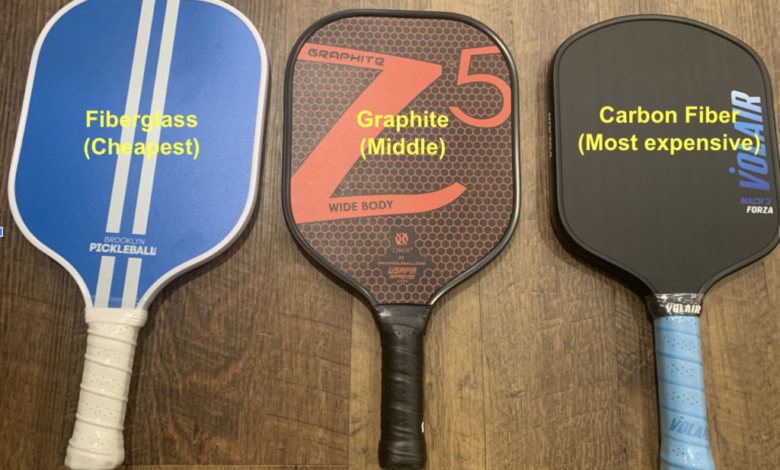
Pickleball has become one of the most popular sports in recent years, drawing players of all ages with its fast-paced nature and easy accessibility. As the sport has grown in popularity, so has the variety of equipment available for players. Among the most important and often most expensive pieces of equipment is the pickleball paddle. Whether you’re a beginner or a seasoned pro, understanding why pickleball paddles are so expensive can help you make an informed choice when purchasing one. In this article, we’ll explore the factors that make pickleball paddles costly, such as materials, design, and manufacturing techniques.
What Materials Make Pickleball Paddles Costly?
The cost of a pickleball paddle is influenced largely by the materials used in its construction. Just like any high-quality piece of sports equipment, paddles are made from advanced materials designed to enhance performance, durability, and comfort. These materials come at a premium, which contributes to the overall cost of the paddle.
1. Polymer Honeycomb Core
One of the primary materials used in the construction of modern pickleball paddles is polymer honeycomb. The core of a pickleball paddle plays a huge role in its performance, and the polymer honeycomb design has become a standard in high-quality paddles.
Polymer honeycomb is made by creating a cellular structure inside the paddle, much like the hexagonal pattern you see in nature (think of a beehive). This structure allows the paddle to maintain strength and durability while keeping the weight down. The lightweight design allows for better control and faster swings, which is crucial in pickleball.
Additionally, polymer honeycomb cores help provide a consistent rebound of the ball, contributing to precision and control. The high-tech nature of the material and the precision required to manufacture the honeycomb core increases the cost of the paddle, but it’s a cost that serious players are willing to pay for improved performance.
2. Carbon Fiber
Another material commonly found in high-end pickleball paddles is carbon fiber. This material is prized for its lightweight nature and exceptional strength, which translates into faster swings and greater power. The carbon fiber face of a pickleball paddle helps create a larger sweet spot, which makes it easier to hit the ball with accuracy, especially on off-center hits.
The inclusion of carbon fiber in the construction of paddles adds to the cost because the material itself is expensive to produce. It’s also a labor-intensive process to mold the carbon fiber into the paddle face, requiring specialized manufacturing techniques and equipment. The benefits of carbon fiber, however, are undeniable—better power, precision, and durability—which is why it’s found in many high-performance paddles.
Advanced Polymers and Unique Play Characteristics
The materials used in the face of the paddle are just as important as those used in the core. Many high-end paddles feature advanced polymers that allow for enhanced control, spin, and feel during play. These polymers help to increase the paddle’s ability to grip the ball, adding spin potential without sacrificing control or comfort.
These advanced polymers also contribute to the overall play characteristics of the paddle. For example, certain polymer blends can help dampen vibration, making it easier for players to manage ball impacts and reduce the risk of injury to the wrist and elbow. Players who experience joint discomfort or those who play for extended periods appreciate these features, which increase the demand for paddles with advanced polymers.
The inclusion of these specialized materials can significantly increase the price of a paddle, but they offer unique play characteristics that are essential for competitive play.
Intricate Core Construction
The core construction of a pickleball paddle is one of the most complex aspects of its design. The materials used in the core, combined with the construction process, dictate how well the paddle performs during actual gameplay. Most paddles today are made with either polymer cores or nomex cores, each with distinct advantages and disadvantages.
The nomex core, which is a type of paper honeycomb, is known for its crisp, responsive feel but tends to be stiffer, offering more power with less control. On the other hand, polymer honeycomb cores are more flexible, allowing for a softer feel, better control, and a larger sweet spot. The process of manufacturing these cores with precision and quality control is time-consuming and requires advanced machinery, which adds to the paddle’s cost.
The core construction is also crucial to the paddle’s balance, weight distribution, and overall performance. Paddles with intricate core designs are able to deliver more consistent performance, which is why top players prefer them.
Specialized Features That Add Value
Another reason for the higher price of pickleball paddles is the specialized features that can be included to enhance performance. These features go beyond basic materials and construction and contribute to the overall user experience.
For example, some paddles feature ergonomically designed handles, which reduce stress on the hand and wrist. Others have grip technology that helps players maintain better control during long matches. Paddles with customized edge guards or oversized sweet spots add value by increasing the durability of the paddle and enhancing the player’s ability to strike the ball effectively.
These features are all designed with the player’s performance in mind, and as such, they can increase the price of the paddle. However, for serious players, these additional features can make a significant difference in how comfortable and effective the paddle is during extended play.
How Does Paddle Construction Influence Price?
The construction process of a pickleball paddle is another key factor influencing its price. High-quality paddles are made with precision, and every step of the production process is important in creating a well-balanced, durable product.
The materials, such as carbon fiber, polymer honeycomb, and advanced polymers, are molded together through a process that requires high-tech equipment and skilled craftsmanship. The more intricate the design, the more labor-intensive the process becomes, which drives up the cost.
For example, Srikel’s pickleball paddles are crafted with attention to detail, ensuring each paddle is balanced, durable, and performs well. The cost of these paddles reflects the quality of materials and construction that go into every piece. More affordable paddles, by contrast, may not be as meticulously crafted, and they might use lower-quality materials, which reduces their price.
The Role of Core Design in Paddle Pricing
As mentioned earlier, the core design is a fundamental aspect of paddle construction. The choice of core material—whether nomex, polymer, or composite—has a direct impact on the price of the paddle.
Nomex cores are generally more rigid and provide a crisper feel, but they are also harder to manufacture, making them more expensive. On the other hand, polymer honeycomb cores are more flexible and offer a softer feel, which appeals to many players for control and comfort.
The core’s design and material also dictate the weight and balance of the paddle, which influences how it feels during play. Heavier paddles with thicker cores may cost more because they require additional materials and manufacturing steps. Lighter paddles with more refined core designs offer better control and maneuverability, and they typically come with a higher price tag due to the specialized construction required.
Material Complexity and Cost Implications
The complexity of the materials used in a paddle impacts its overall cost. For instance, the inclusion of carbon fiber and advanced polymers adds significant cost to the paddle, as these materials are expensive to produce and require precise manufacturing techniques.
Additionally, many high-end paddles use a combination of materials in their construction. For example, a paddle may feature a polymer core with a carbon fiber face, combining the benefits of both materials. This combination leads to a more complex manufacturing process and increases the final cost of the paddle.
Manufacturing Techniques: Precision Drives Price
Manufacturing pickleball paddles with precision is a key factor in their price. The construction process requires cutting-edge machinery and skilled labor to ensure that each paddle is built to exact specifications. Precision helps guarantee that the paddle is balanced, durable, and functional, making it a must for high-quality paddles.
Srikel’s pickleball paddles are crafted with this precision in mind, ensuring that each paddle offers optimal performance. While more affordable paddles may be mass-produced with less attention to detail, paddles are the result of advanced manufacturing techniques that contribute to their superior quality and durability.
Specialized Features: More Than Just Aesthetic
Many higher-priced paddles come with specialized features that not only enhance the look of the paddle but also contribute to its functionality. These features include custom grip patterns, handle designs, edge protection, and aerodynamic shaping that allow the paddle to cut through the air more easily. These added features help improve the player’s overall performance, and as such, they justify the higher price.
Final Thoughts
In conclusion, pickleball paddles can be expensive due to the high-quality materials, advanced construction techniques, and specialized features used to create them. The combination of polymer honeycomb cores, carbon fiber, advanced polymers, and precision manufacturing adds value and enhances the performance of the paddle, making it an essential piece of equipment for competitive players.