In recent years, the Everest Base Camp trek has gained a reputation as a premier Himalayan adventure. Its legendary status has drawn countless trekkers from around the globe, eager to stand in the shadows of the world’s tallest peak.
But as 2025 unfolds, a quiet shift is taking place. First-time trekkers are increasingly opting to skip the Everest trail and set their sights on a lesser-known yet equally captivating route: Mardi Himal.
Hidden in the lap of the Annapurna region, Mardi Himal Trek offers everything a beginner could wish for. Dramatic mountain views, manageable trail lengths, rich cultural exposure, and affordability.
Let’s explore why this hidden gem is turning heads and winning hearts in the trekking community.
Easy Accessibility
The journey to Everest Base Camp begins with a notoriously unpredictable flight to Lukla. Delays, cancellations, and weather concerns are common. For novice trekkers, that alone can be enough to shift towards Mardi.
Mardi Himal Trek, on the other hand, is a quite accessible and easy trek. The trek organized by Mission Himalaya Treks typically begins in Kande (1770 meters), just a short drive from Pokhara (City of Lakes).
With multiple daily flights and even road options from Kathmandu to Pokhara, logistics are far simpler and more budget-friendly. There is no risky mountain airstrips involved, and there is no need to budget extra days for delays.
First-timers are growing fond of the convenience of starting a trek within hours of arrival in Nepal’s second-largest city.
Short and Sweet – Perfect for Beginners
Let’s be honest. Not everyone is ready for a 12–14-day trek through high altitudes, sleeping in freezing teahouses and thousands of meters of vertical climb. That’s where Mardi Himal comes in, a breath of fresh Himalayan air.
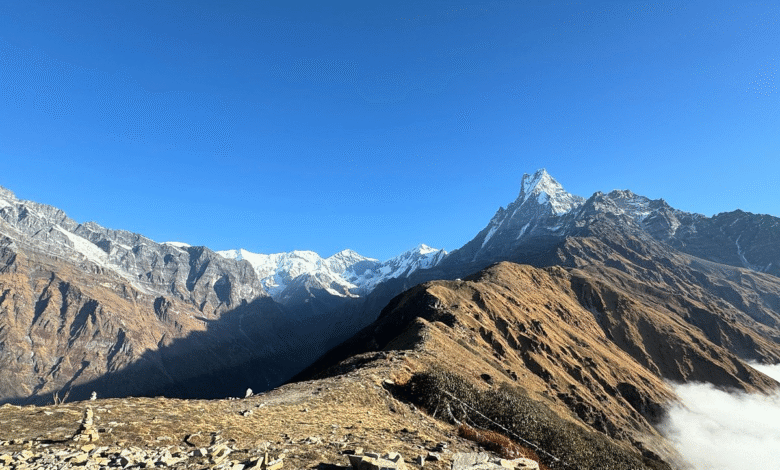
The entire Mardi Himal Trek can be completed in 4 to 6 days. It’s short, crisp, and surprisingly fulfilling. The trails meander through lush rhododendron forests, alpine meadows, and ridge lines with uninterrupted views of Machhapuchhre (Fishtail Peak) and the Annapurna range.
At a maximum elevation of 4,500 meters, it’s high enough to offer thrill and spectacular mountain vistas without posing major altitude risks.
This makes Mardi Himal Trek a safer and more comfortable option for those looking to start trekking.
Spectacular Views Without the Crowds
Everest is iconic, no doubt. But popularity comes with a price: overcrowding. Especially in peak seasons like spring (March-May) and autumn (September-November), the trail to Everest Base Camp receives quite a high number of visitors. Teahouses are often full, and the solitude and serenity of nature are rare.
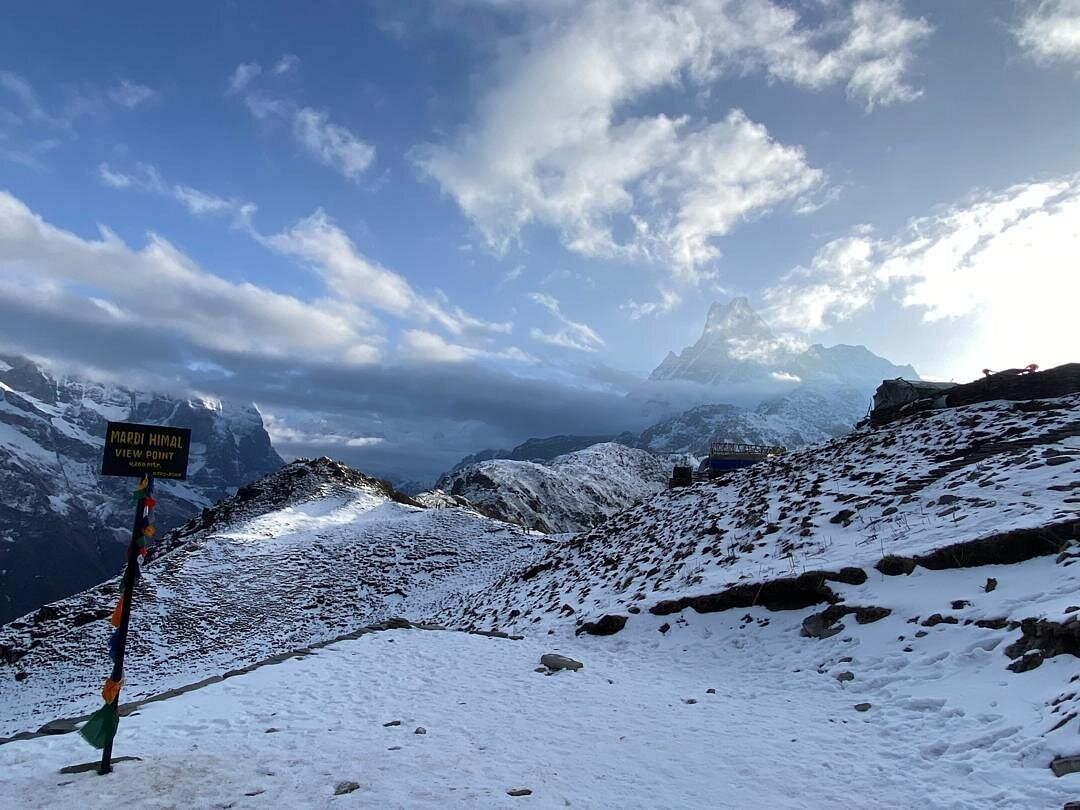
The Mardi Himal route, though gaining popularity, remains a relatively less-explored path. Trekkers often find themselves immersed in quiet landscapes with only a handful of others on the trail.
And the views? Absolutely mesmerizing.
Imagine sipping hot tea on a ridge, watching the sun illuminate the jagged peaks of Annapurna South, Hiunchuli, and the sacred Machhapuchhre, with no crowd elbowing for the perfect selfie spot.
For many first-timers, this space alone is far more meaningful than standing in a bustling Everest Base Camp.
Cost-Effective Without Cutting Corners
Nepal is known for budget travel, but even here, the Everest Base Camp trek can be expensive for many. Permits, gear, flights, porters, guides, food, and accommodation at high altitudes all come at a cost.
On the other hand, Mardi Himal offers a more affordable choice to enjoy the Himalayas. With no internal flights needed, fewer trekking days, and closer access to major cities, costs can be reduced dramatically.
Accommodation on the Mardi route is cozy and affordable, and meals are generally priced lower, sprinkled with the love and taste of Nepali hospitality.
For a first-time trekker testing the waters, Mardi Himal is a low-risk, high-reward investment.
Rich Cultural Immersion in the Annapurna Region
While Everest Base Camp treks pass through authentic Sherpa villages with Buddhist influence, Mardi Himal lies within the culturally vibrant Gurung and Magar communities.
The trail gives a more diverse cultural experience, with chances to witness local farming life, ancient customs, and warm hospitality that is both authentic and unforgettable.
Trekkers often stop in villages like Landruk and Siding, where traditional lifestyles still remain untouched by modern tourism.
Tea with a local family, a song around the fire, or watching a sunrise from a family-run teahouse, these simple moments create deep connections that many find more memorable than Everest’s icy wind.

A Rising Star in 2025
So why is 2025 the year Mardi Himal is coming to light?
For starters, global travel trends now favor sustainable, off-the-beaten-path experiences. Many adventurers are seeking quieter alternatives to over-tourism hotspots. Mardi Himal ticks all the right boxes.
Moreover, the post-pandemic traveler values flexibility, shorter commitments, and budget options. That’s exactly what Mardi Himal Trek and Mission Himalaya Treks deliver.
It also appeals to the growing demographic of solo female trekkers, thanks to its relatively safe and populated routes, as well as friendly local guides.
Nepali trekking agencies are also catching on, with tailored packages for Mardi Himal that include yoga treks, photography treks, and family-friendly itineraries—all of which are making it more accessible and appealing to new audiences.
Final Thoughts: The Smart Trekker’s Choice
Trekking to Everest Base Camp will always remain a bucket-list adventure. But it doesn’t have to be your first step into the Himalayas. For beginners looking to fall in love with mountain trekking without burning out or breaking the bank, Mardi Himal offers the perfect introduction.
It’s shorter, quieter, more affordable, and no less stunning. With every sunrise over Machhapuchhre and every footstep along its misty ridges, Mardi Himal is crafting a new story for first-time trekkers, one filled with discovery, connection, and wonder.
So, in 2025, if you’re dreaming of the Himalayas but want something intimate, manageable, and magical, don’t follow the crowds. Follow the ridgelines of Mardi Himal.
You just might find everything you’re looking for.