Introduction
In today’s digital age, it’s tempting to look for shortcuts—whether it’s hacking an Instagram account, tracking a phone, or upgrading your SIM card for free. This is where websites like ZomHom (zomhom.site) come into the picture. Promoted heavily on social media, ZomHom claims to offer “free” services that sound too good to be true. And here’s the kicker—they almost always are. Multiple reports and user experiences indicate that ZomHom is not only fake but also potentially dangerous.
In this article, we’ll break down what ZomHom is, why it’s risky, and how you can protect yourself while exploring safe, legal alternatives.
What Is ZomHom Site?
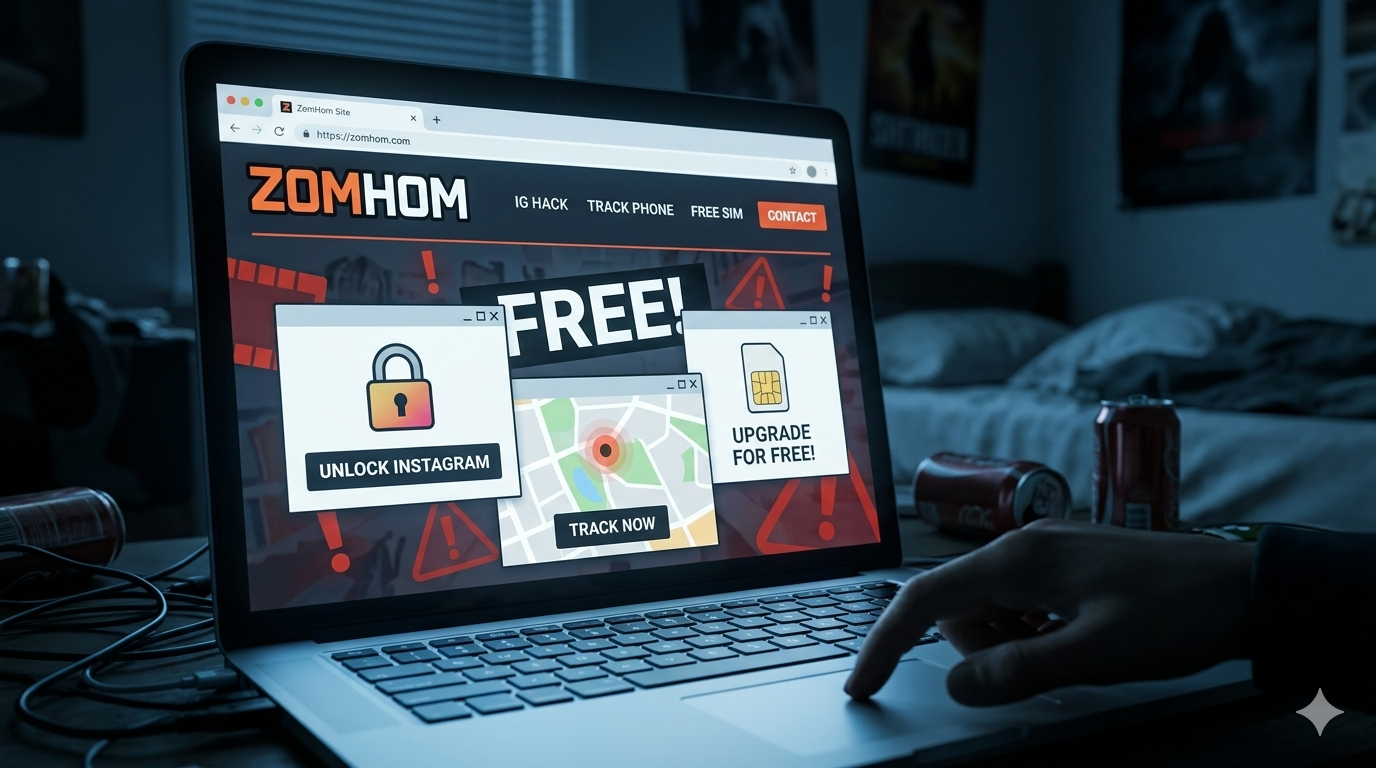
ZomHom is a website that has gained attention online for allegedly offering a variety of tech “hacks” and services. These include:
- Hacking social media accounts like Instagram or WhatsApp.
- Tracking phones without consent.
- Converting 4G SIM cards to 5G for free.
The website often shows flashy results claiming that the user’s action was successful. Screenshots shared by users and articles online show “successful” operations, but in reality, nothing of value actually happens.
There are also several related domains such as zomhom.info and other variations, all promoting the same “free” services. Multiple independent write-ups and forum discussions confirm that these sites are not genuine, and they primarily exist to lure unsuspecting users.
How ZomHom Site Works
At first glance, ZomHom seems interactive and functional. Users are prompted to enter:
- Social media usernames
- Phone numbers
- SIM card details or device information
The site then simulates a “process” like hacking an account or upgrading a SIM, often showing fake progress bars and success messages. In reality, ZomHom does not perform any real hacking or SIM conversion. It only creates the illusion of success to make users believe the service works.
Main Risks of Using ZomHom
1. Data Collection
One of the most serious risks is that ZomHom collects personal information, including:
- Usernames and passwords (if entered)
- Phone numbers
- Device details like IP address, browser type, and operating system
This data can be sold to advertisers, phishing networks, or other malicious entities. Users may later experience spam messages, unwanted calls, or even targeted scams.
2. Encourages Illegal Activities
By promoting account hacking and phone tracking, ZomHom encourages users to perform illegal actions. Even attempting to hack someone’s account or use the SIM upgrade tool may have legal consequences. The site itself gains nothing except ad revenue and user data, while the user risks personal information exposure.
3. Fake Functionality
Despite showing “successful” outcomes, the website does not deliver any real functionality. For example:
- Instagram or WhatsApp accounts cannot be hacked legitimately.
- SIM cards cannot be upgraded from 4G to 5G via a website.
- Phone tracking without consent is impossible and illegal.
All “results” are simulated to make the platform appear credible.
Safe Recommendations
If you come across ZomHom or similar sites, here are some practical steps to protect yourself:
- Never enter personal information – including usernames, passwords, or phone numbers.
- Change passwords immediately if you’ve already tried using the site.
- Enable two-factor authentication (2FA) on all social media and email accounts.
- Be cautious with links from suspicious sources, especially via SMS or WhatsApp.
- Use legal alternatives for any services you were seeking, such as official apps for SIM upgrades or verified social media recovery tools.
Following these steps can prevent potential identity theft, account hacks, and phishing attacks.
Why People Fall for ZomHom
It’s easy to understand why people are tempted by sites like ZomHom:
- Promising free services that sound appealing, like 4G-to-5G upgrades.
- Social media promotion gives the illusion of credibility.
- Immediate “success” messages trick users into trusting the platform.
- Lack of tech knowledge makes fake progress bars and interfaces seem real.
Understanding these psychological triggers can help users avoid falling for scams in the future.
How to Spot Fake Sites Like ZomHom
Here are a few red flags that indicate a website might be a scam:
- Too-good-to-be-true promises – free hacking, free upgrades, or free tracking.
- Unverified domains – sites like zomhom.site, zomhom.info, and other clones.
- Requests for sensitive information – usernames, passwords, or SIM details.
- Fake testimonials or screenshots showing success.
- Excessive ads or pop-ups trying to monetize clicks and data.
Being aware of these warning signs can save you from potential security threats.
Legal and Safe Alternatives
If you were looking to do something via ZomHom, here are legal options:
- SIM upgrades – Contact your mobile carrier for official 4G-to-5G conversion.
- Instagram account recovery – Use Instagram’s official password reset and recovery tools.
- Phone tracking for personal devices – Use built-in services like Find My iPhone or Find My Device on Android.
- Password management and security apps – Protect your accounts with secure password managers and 2FA apps.
These alternatives are safe, legal, and effective, unlike the empty promises of ZomHom.
FAQs About ZomHom Site
Q1: Is ZomHom safe to use?
A1: No. ZomHom is widely reported as unsafe and scam-like. It does not deliver real functionality and can compromise your personal data.
Q2: Can ZomHom hack Instagram or WhatsApp accounts?
A2: No. All reports and user experiences confirm that these “hacks” are fake and do not work.
Q3: What should I do if I already used ZomHom?
A3: Change passwords of any accounts you tried there, enable 2FA, and be cautious of suspicious links or messages.
Q4: Are there legal ways to upgrade SIMs or track devices?
A4: Yes. Contact your carrier for SIM upgrades and use official apps like Find My iPhone or Find My Device for tracking.
Q5: Can ZomHom steal my data?
A5: Yes. It can collect usernames, phone numbers, IP addresses, and device details, which can be misused or sold.
Conclusion
ZomHom site (zomhom.site) may appear attractive at first glance, but it’s a classic example of a scam website. From fake hacking tools to false SIM conversion promises, the site is designed to collect data and generate ad revenue, not provide real services.
The bottom line? Avoid entering any personal information and stick to legal, verified alternatives for SIM upgrades, social media recovery, or device tracking. Protect your data, stay cautious online, and don’t let flashy websites trick you into unsafe practices.
By understanding the risks and knowing safe alternatives, you can enjoy digital convenience without falling victim to scams like ZomHom.